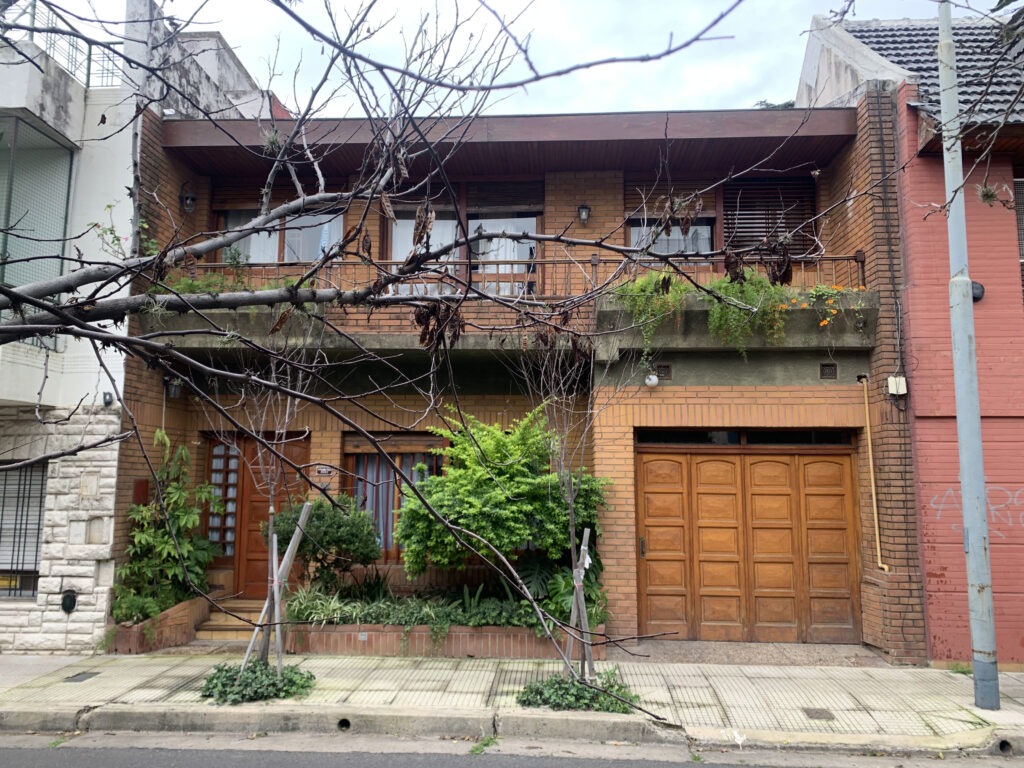
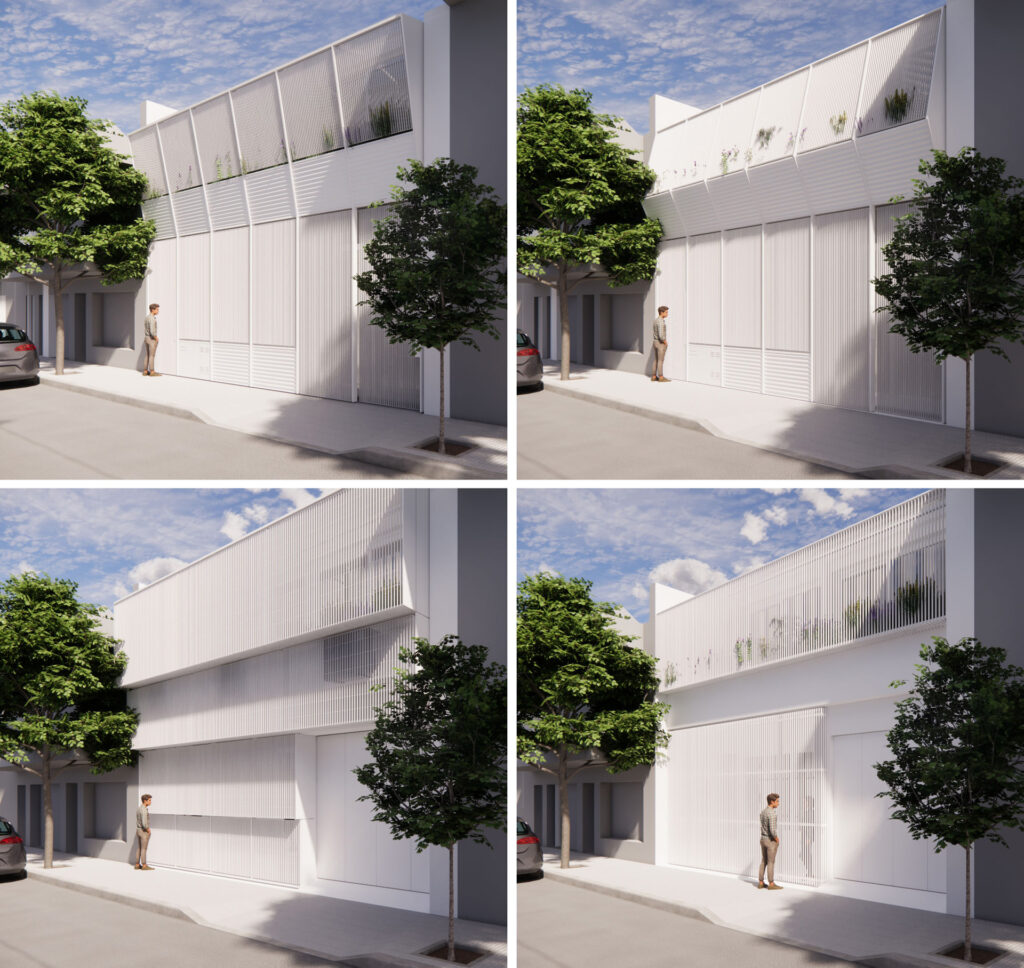
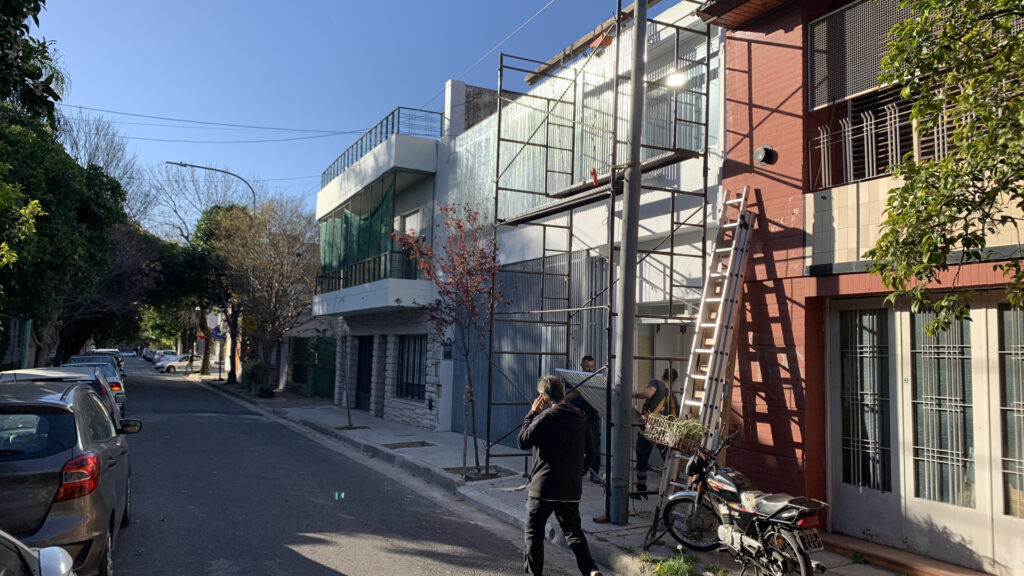
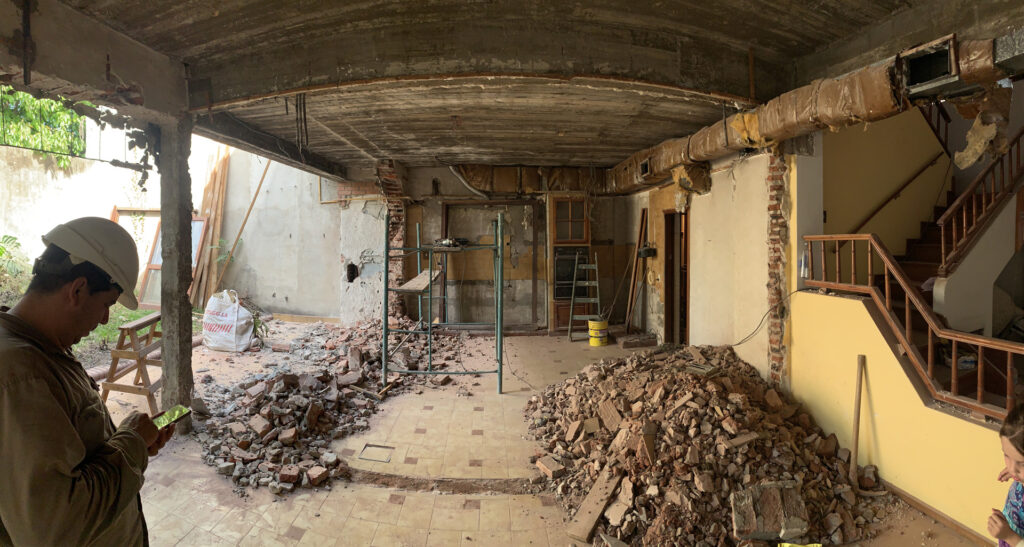
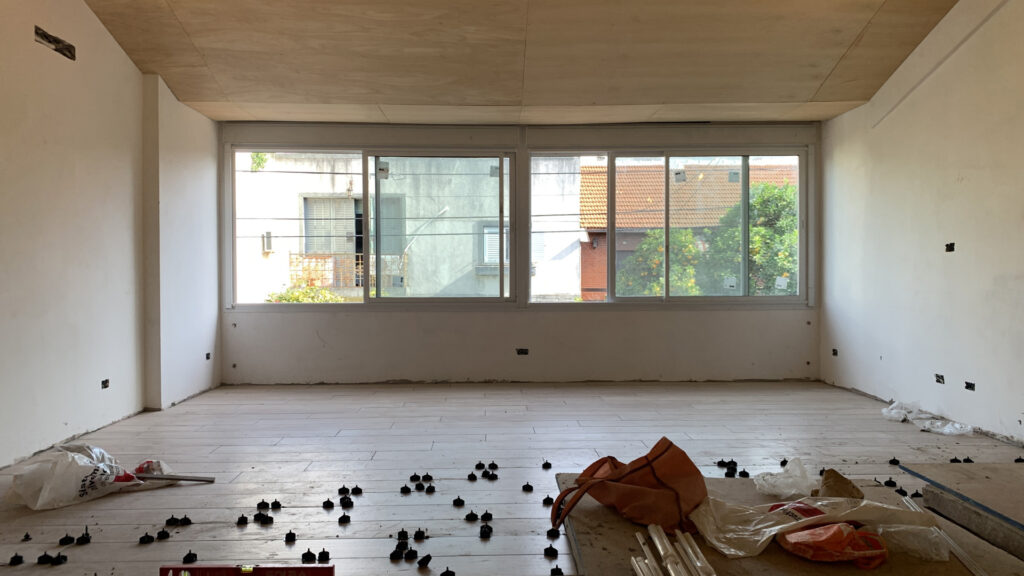
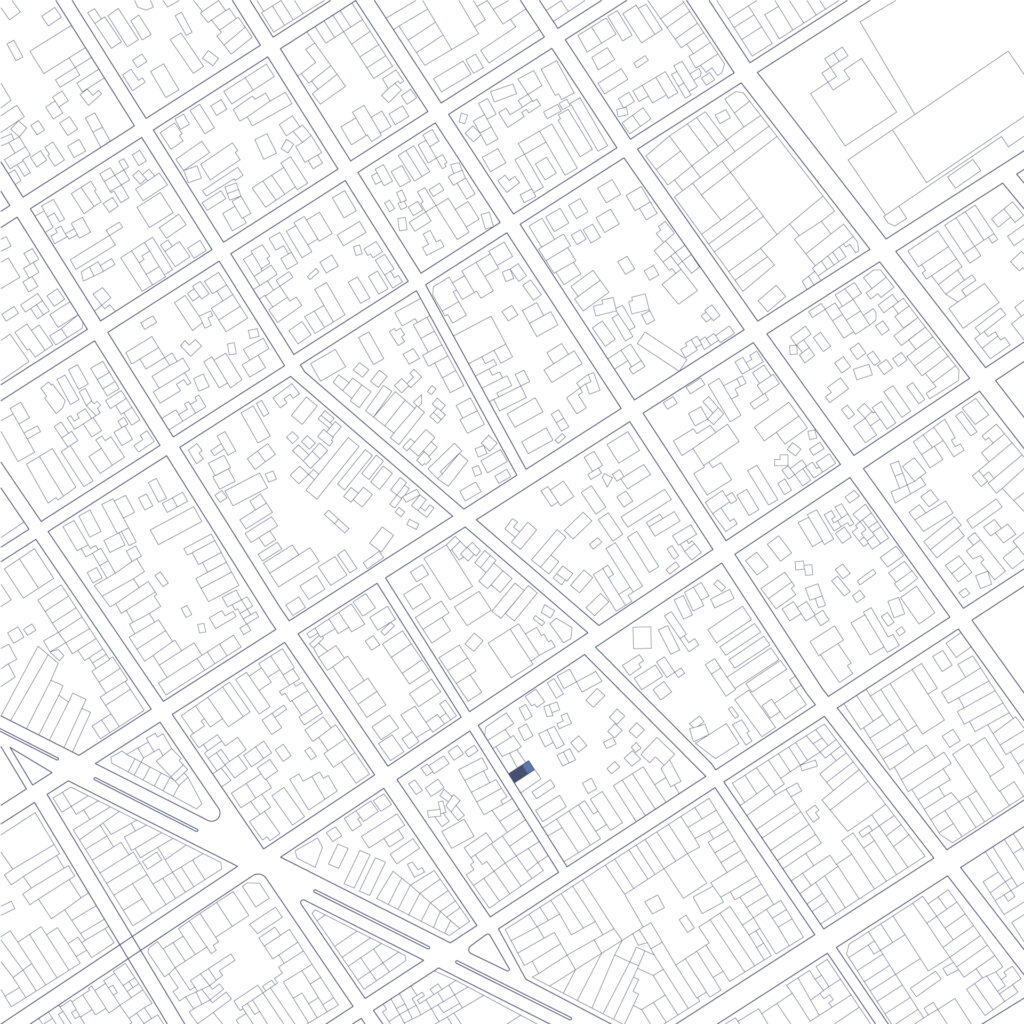
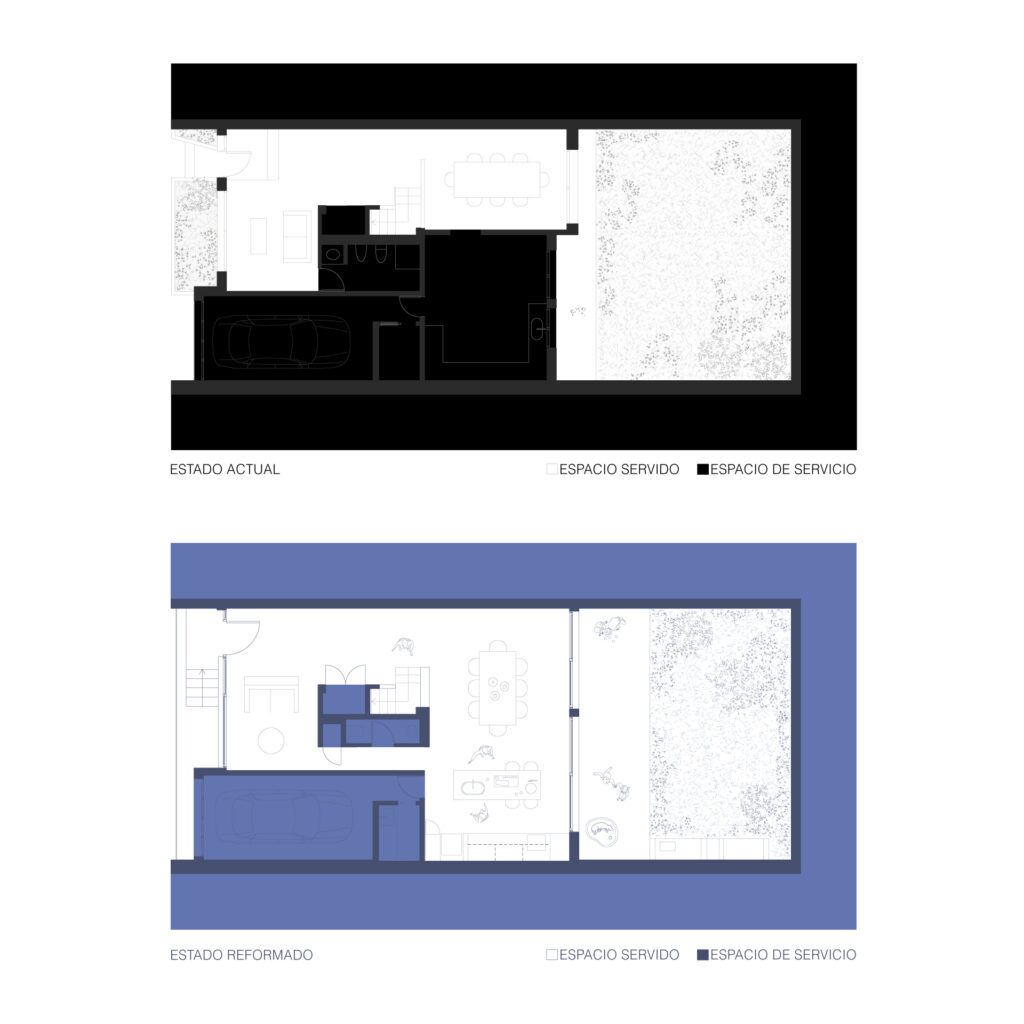
El proyecto consiste en una reforma integral de una vivienda unifamiliar en el barrio de Coghlan, Ciudad de Buenos Aires. La casa original, de unos 200 m², contaba apenas con dos dormitorios y dos baños, revelando una organización poco eficiente frente a su escala y las necesidades del cliente actual. La intervención busca optimizar el uso del espacio y mejorar la relación con su entorno urbano.
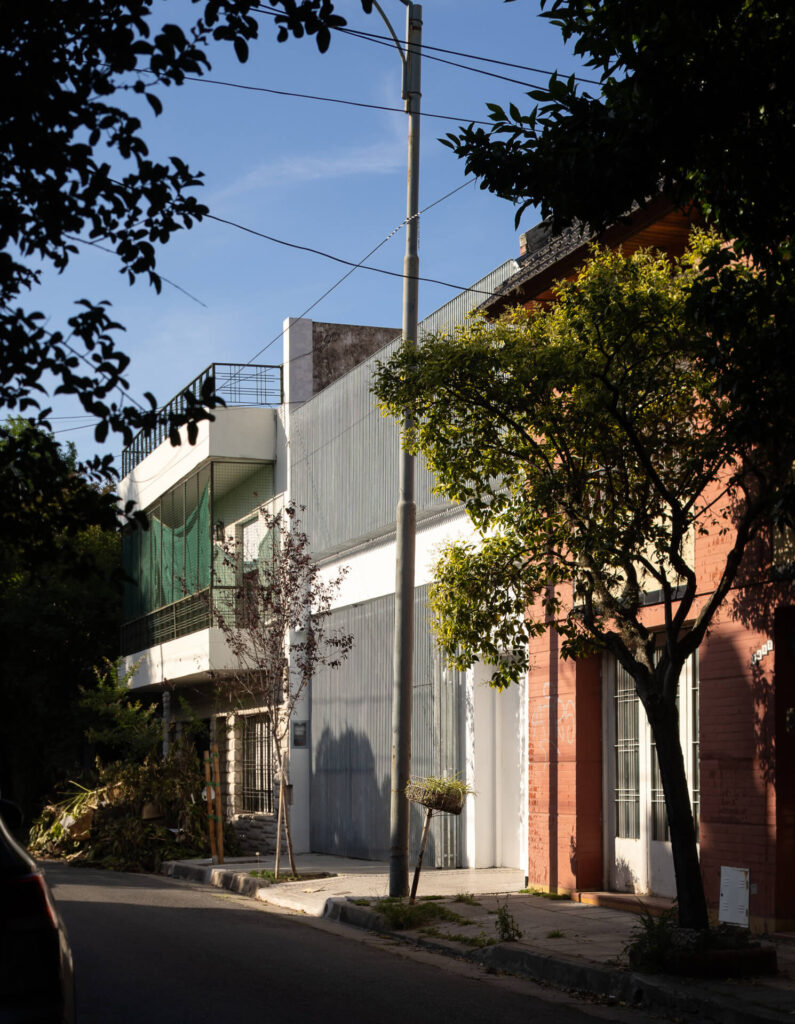
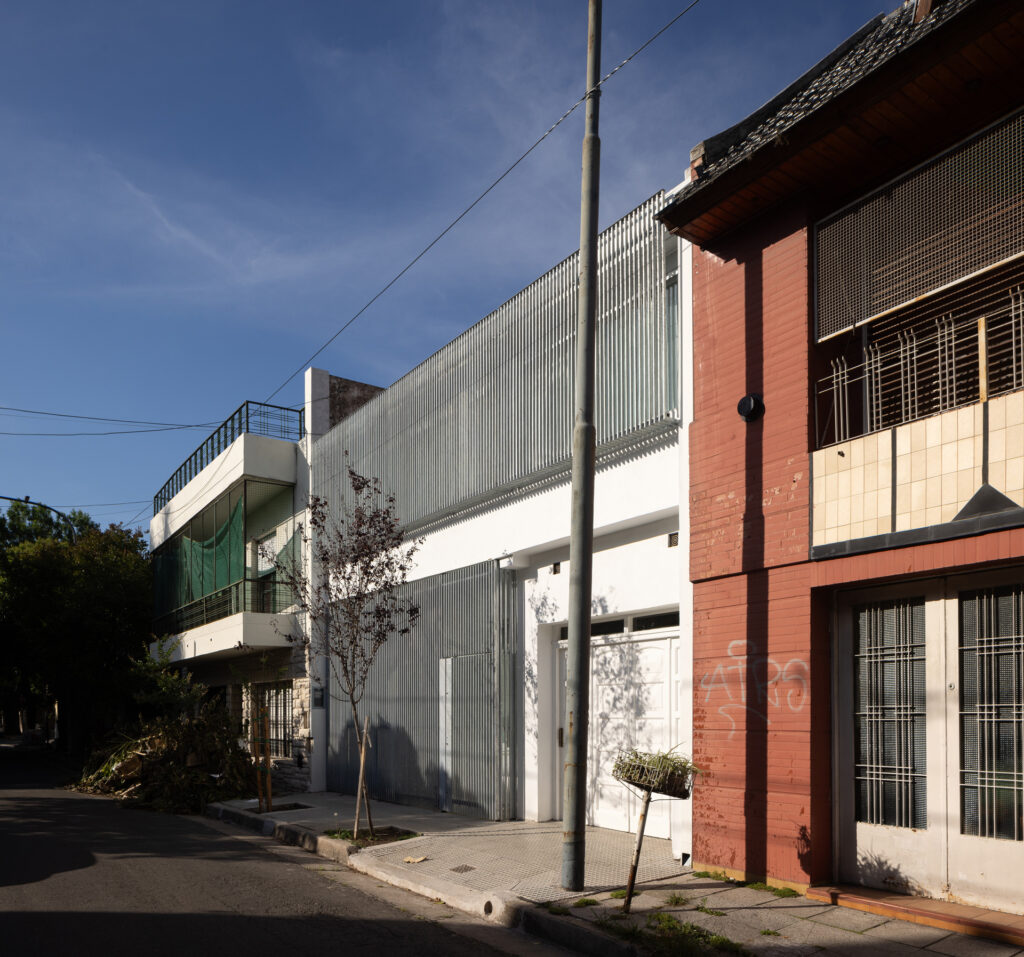
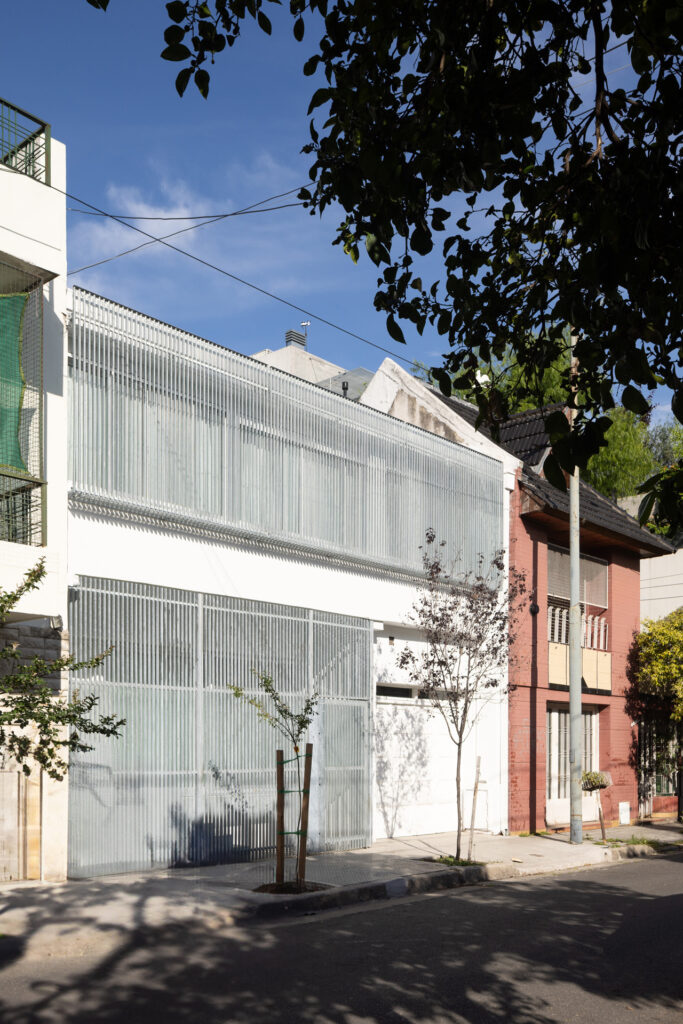
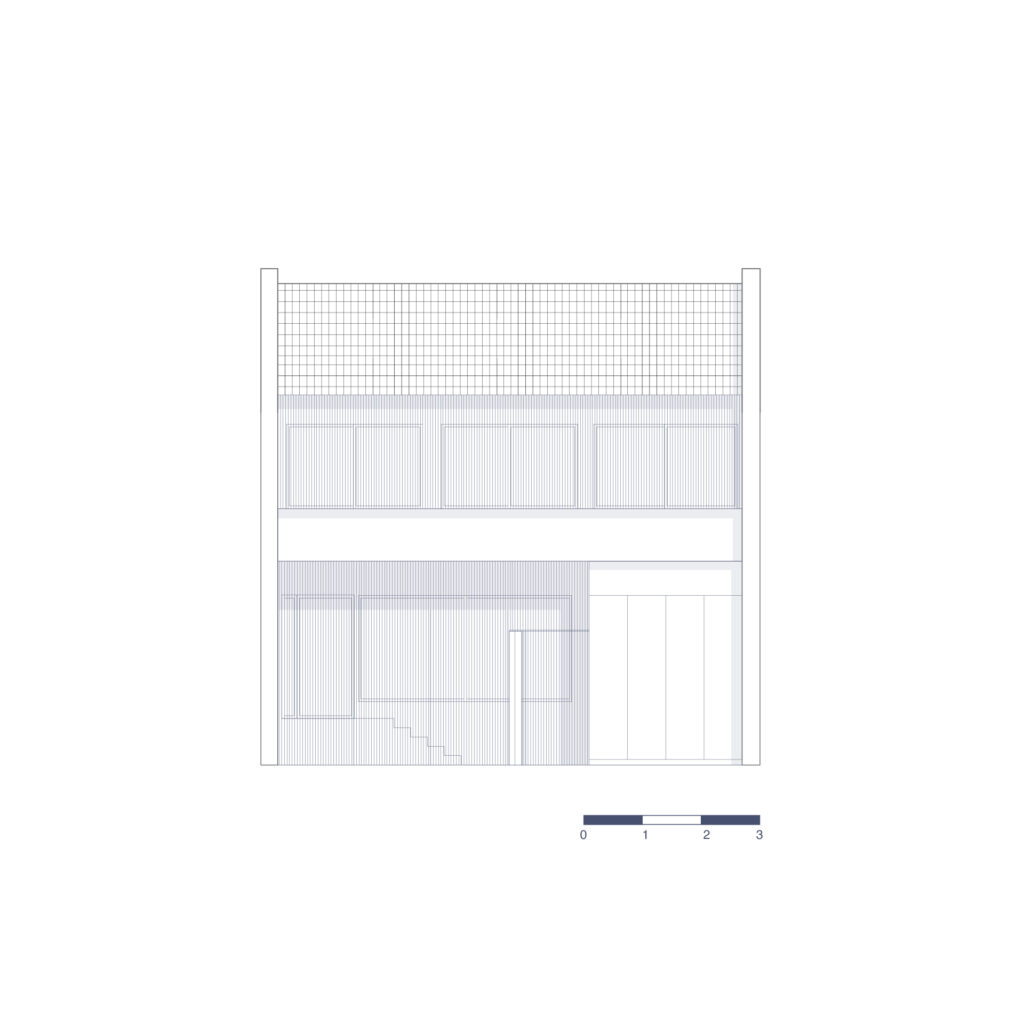
Prometeo Passage —a ten-metre-wide street planted with orange trees— creates a calm, distinctly domestic atmosphere, markedly different from the scale and character of the wider city streets. This particular context guided the design of the front façade and its relationship with the public realm:
fachada y la relación de la casa con el espacio público:
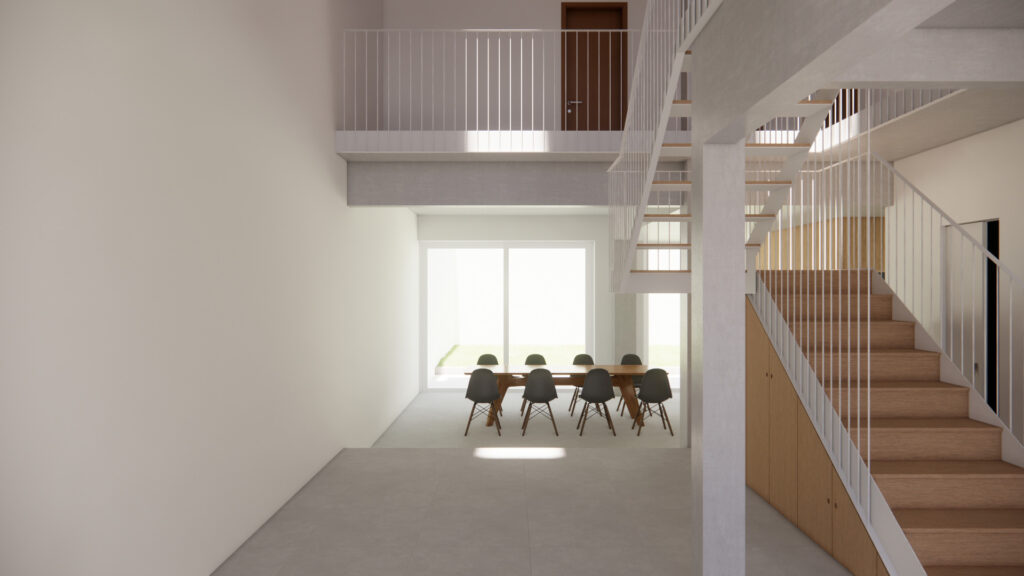
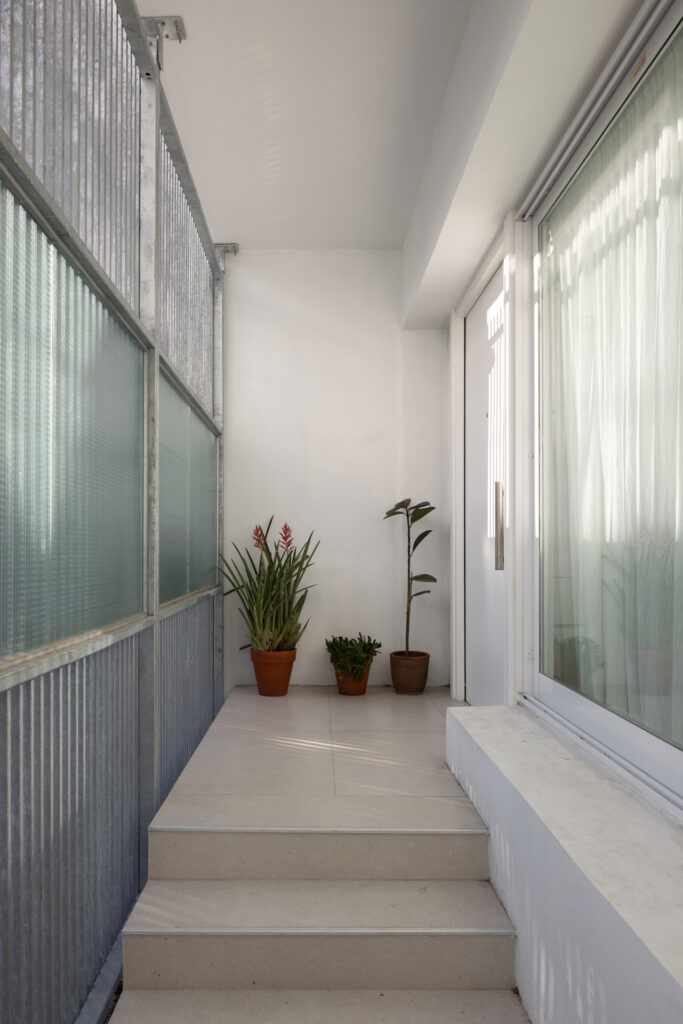
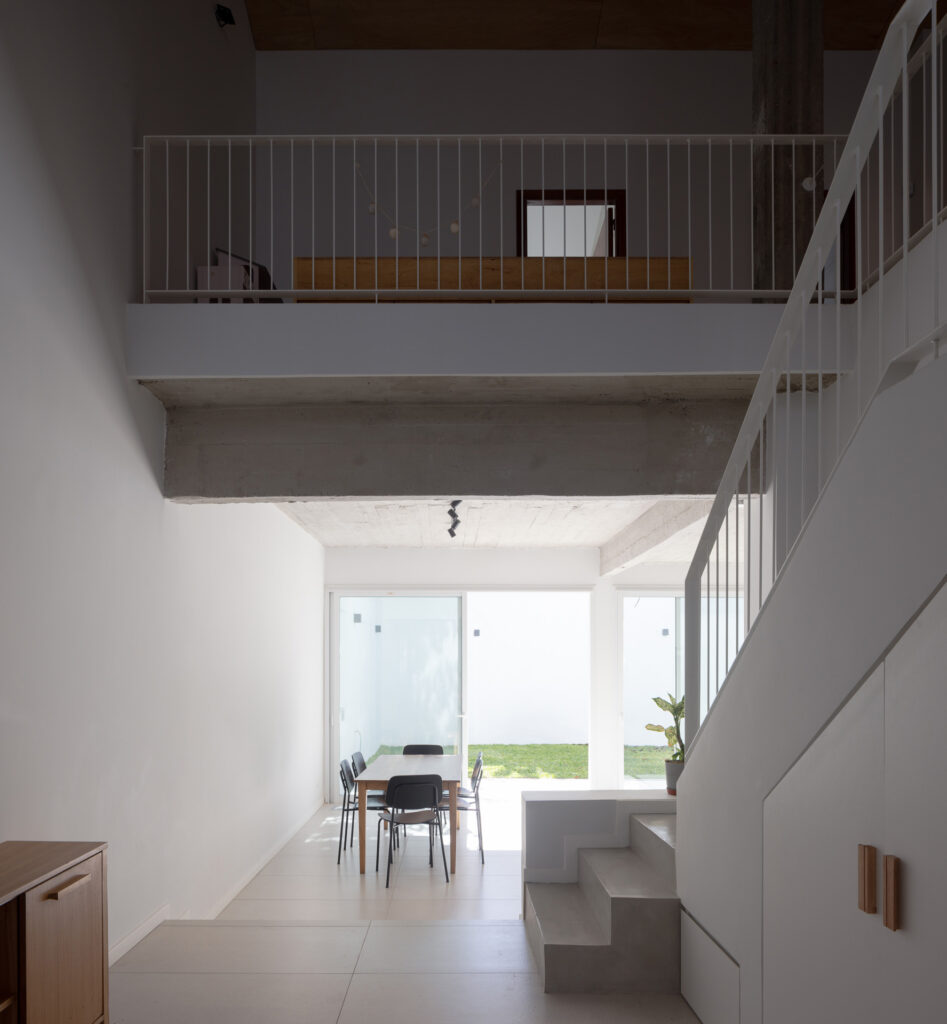
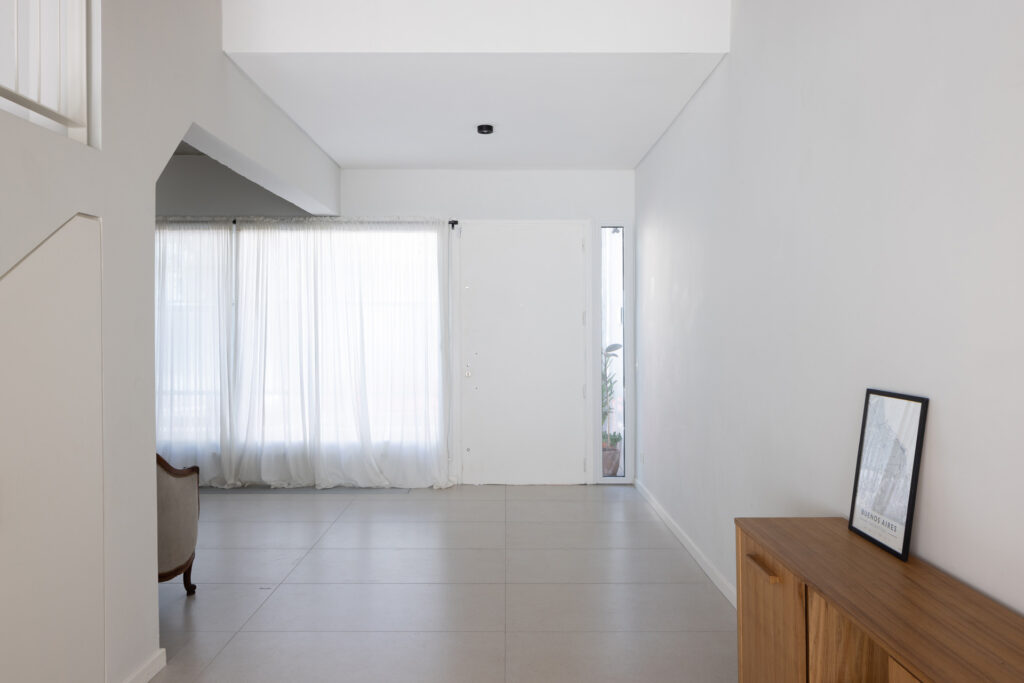
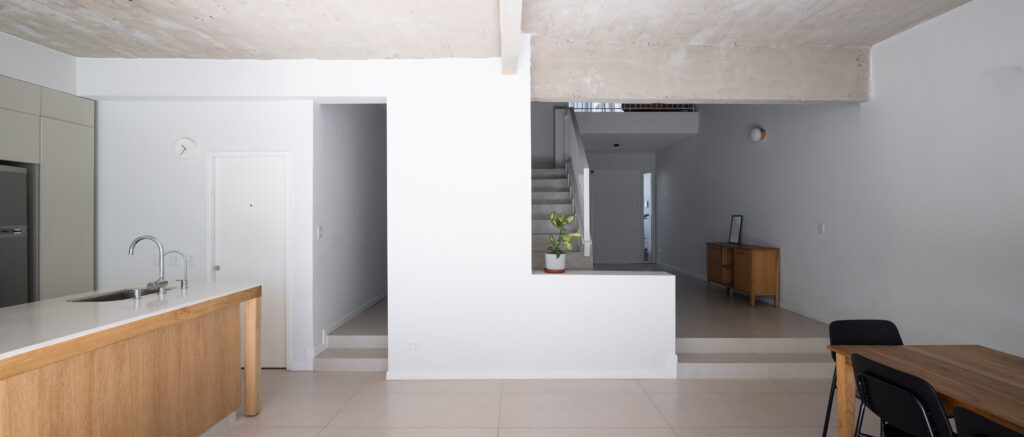
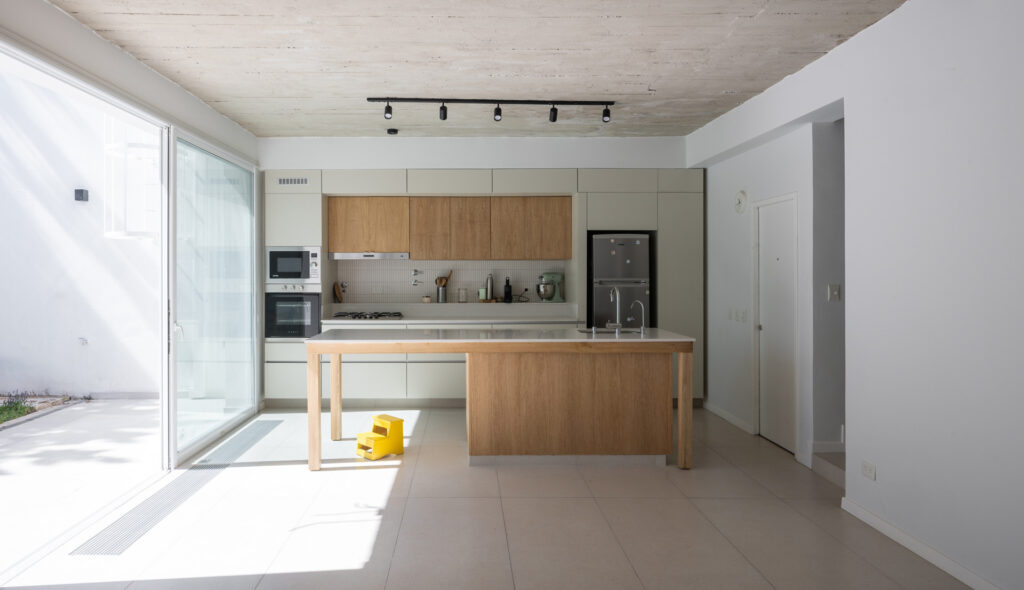
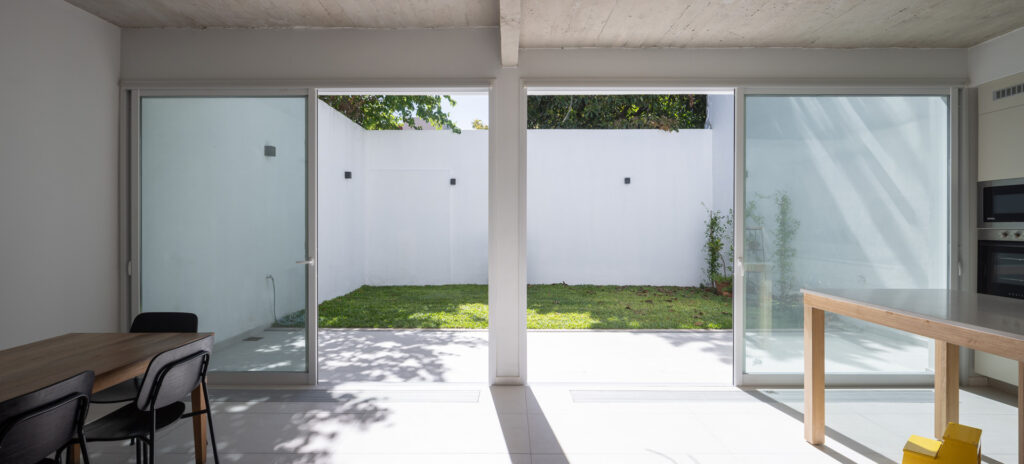
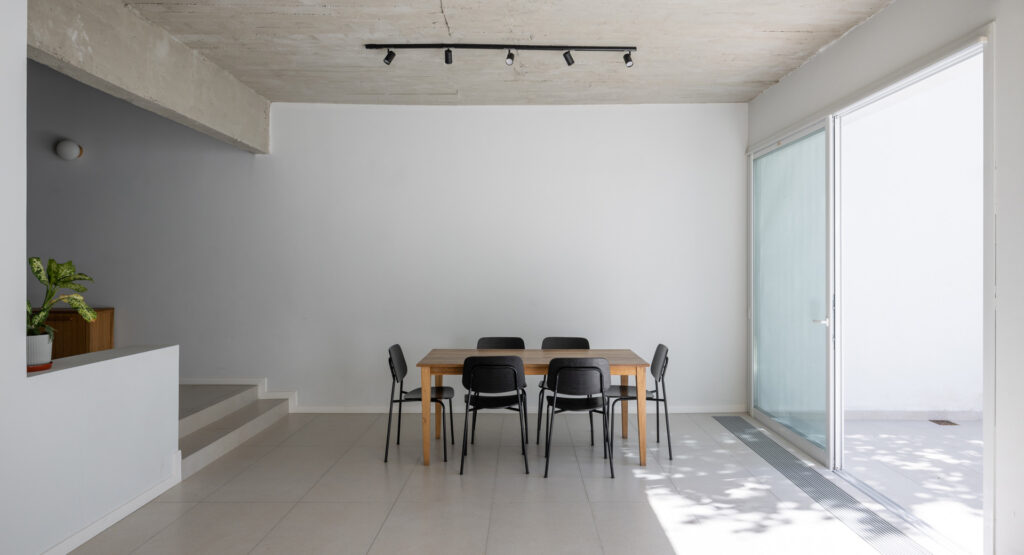
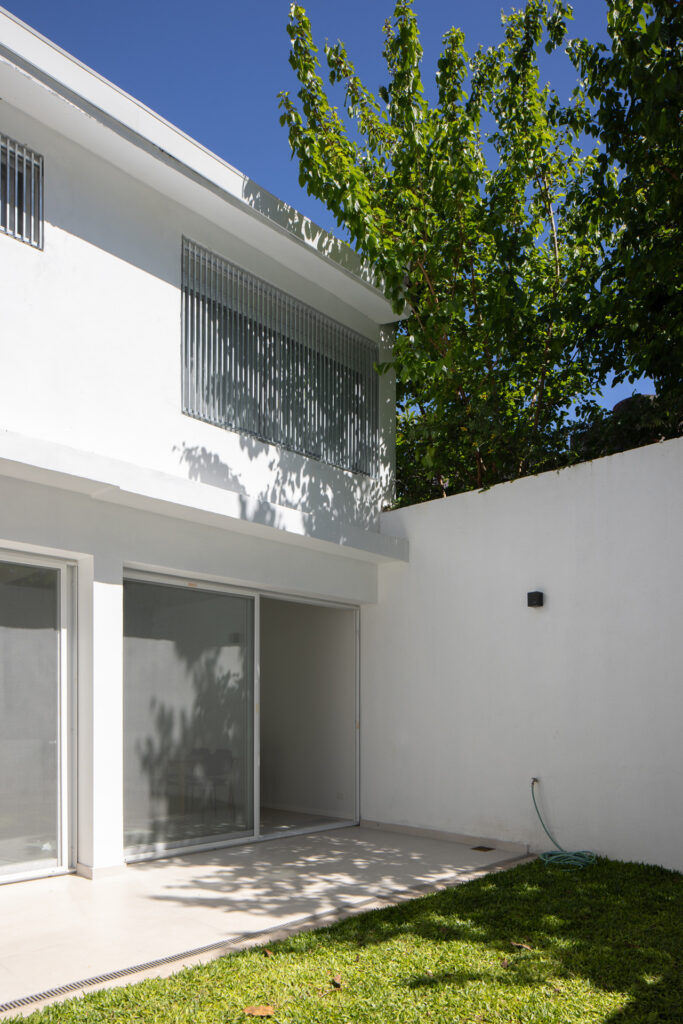
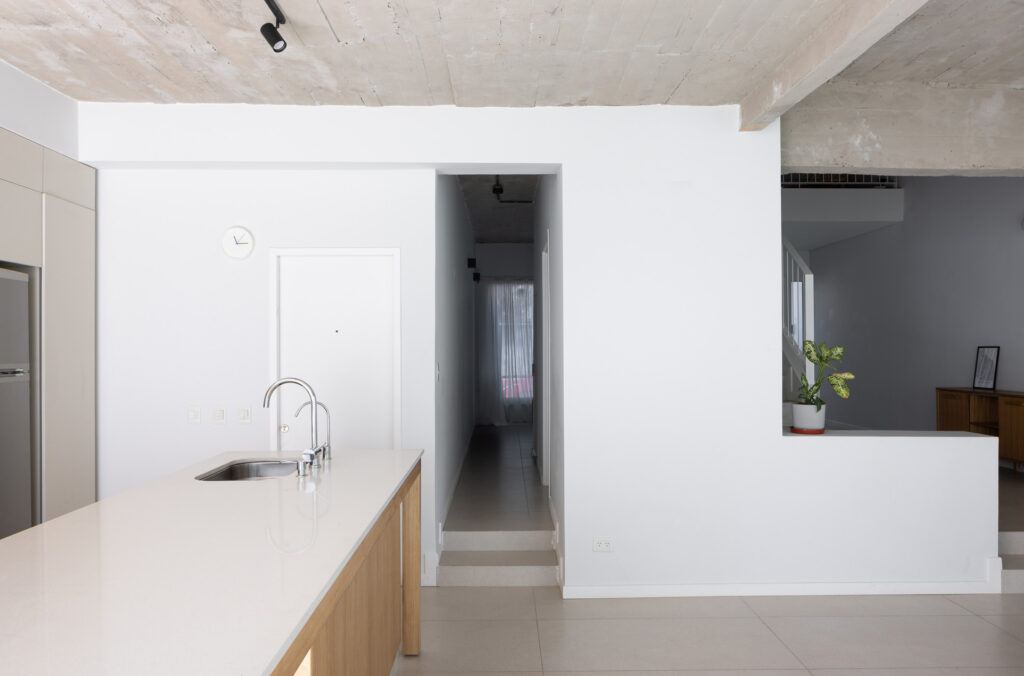
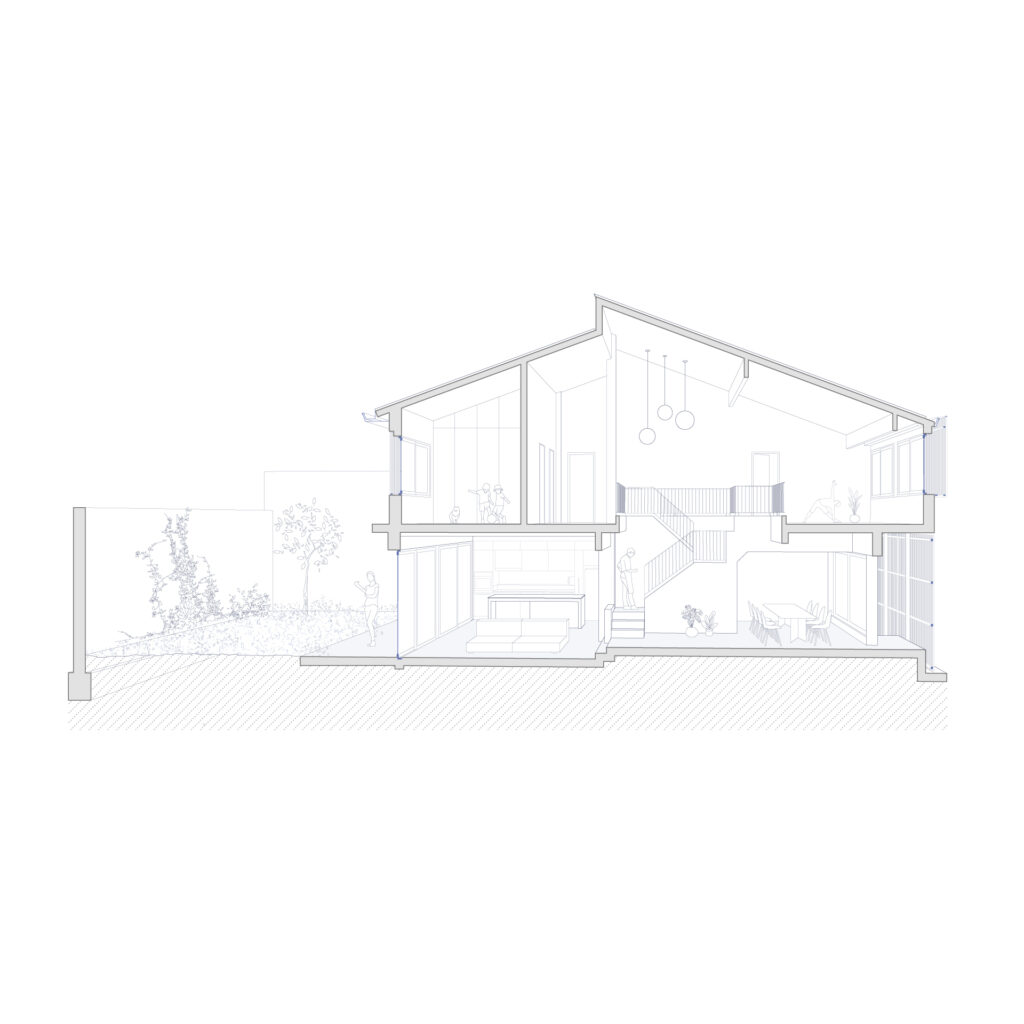
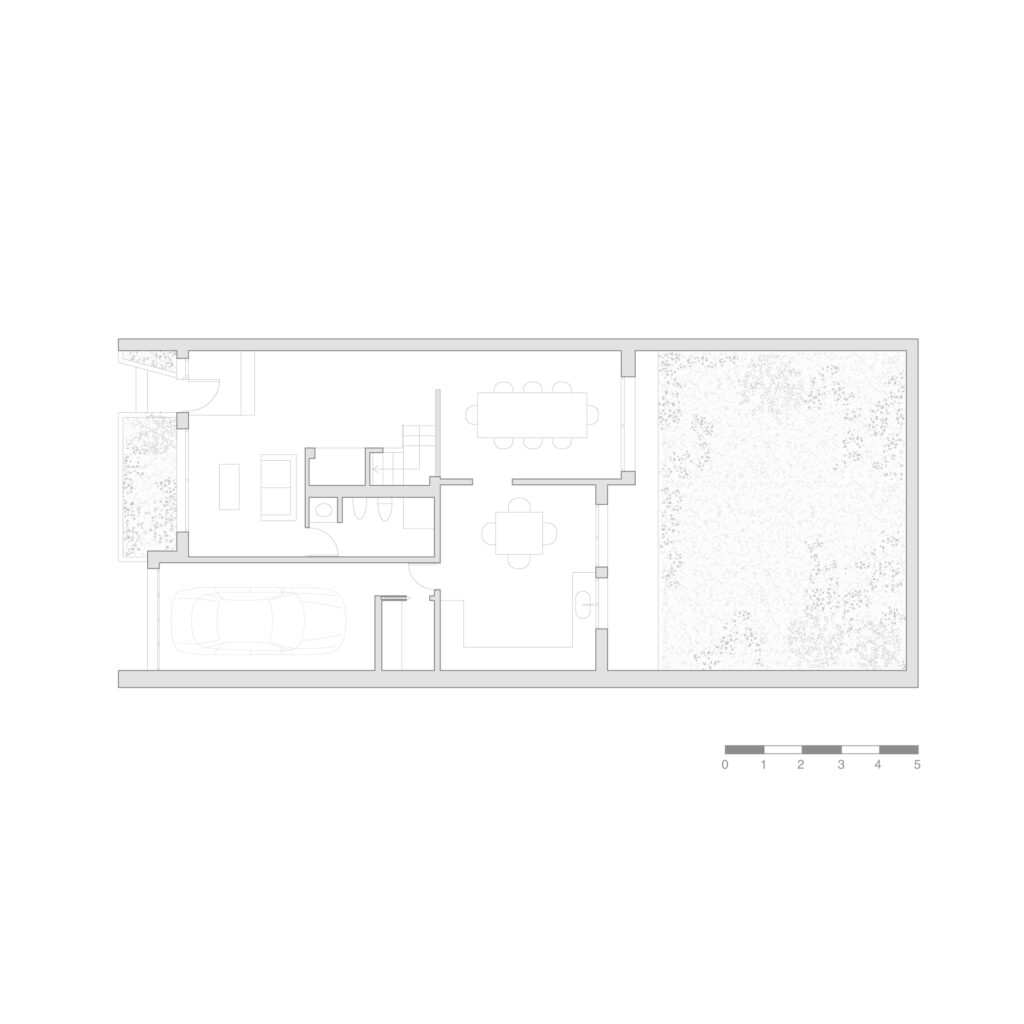
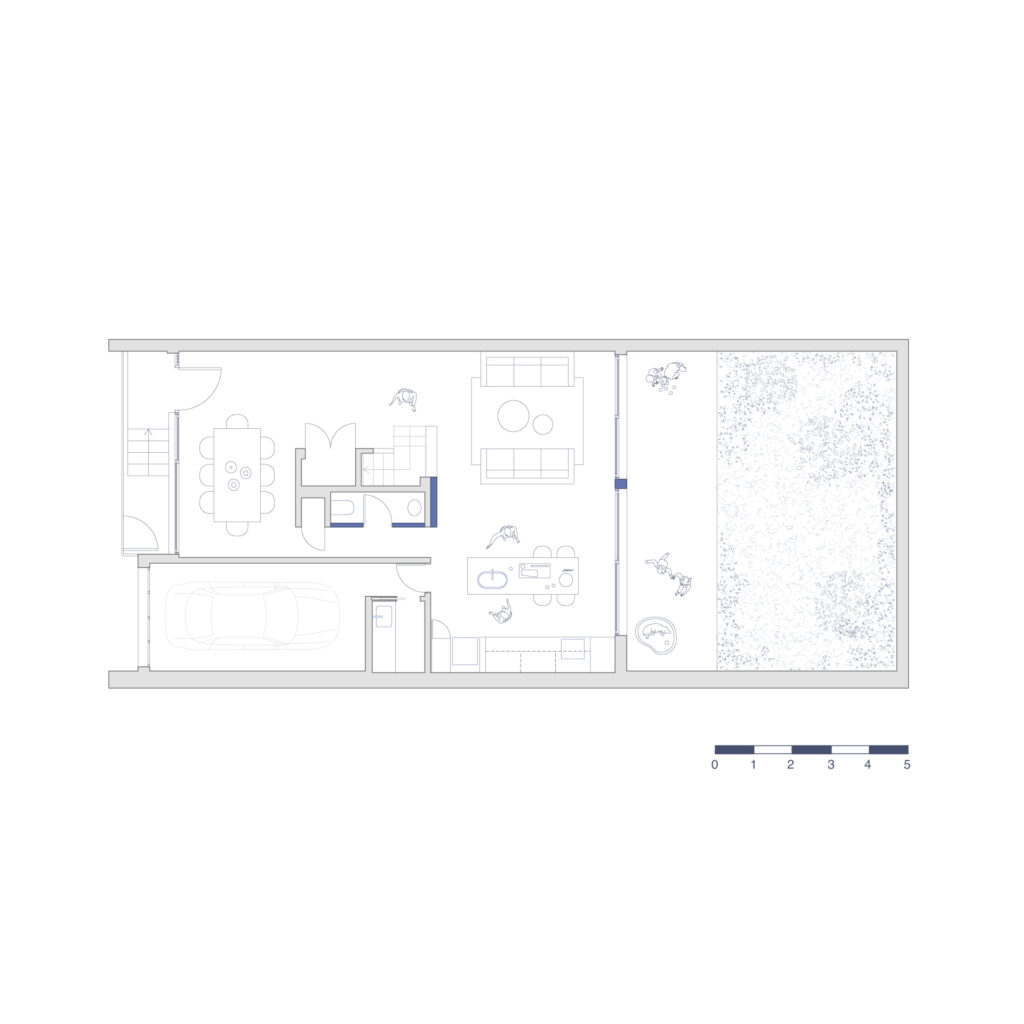
a series of layered screens filters views and sunlight, allowing the ground-floor rooms to open towards the street while maintaining privacy. Towards the rear, the house opens fully onto the garden, forming an integrated kitchen and living space that extends daily life outdoors. At the centre of the plan, a compact core containing the staircase and the toilet organises the ground-floor sequence between dining, kitchen and living areas.
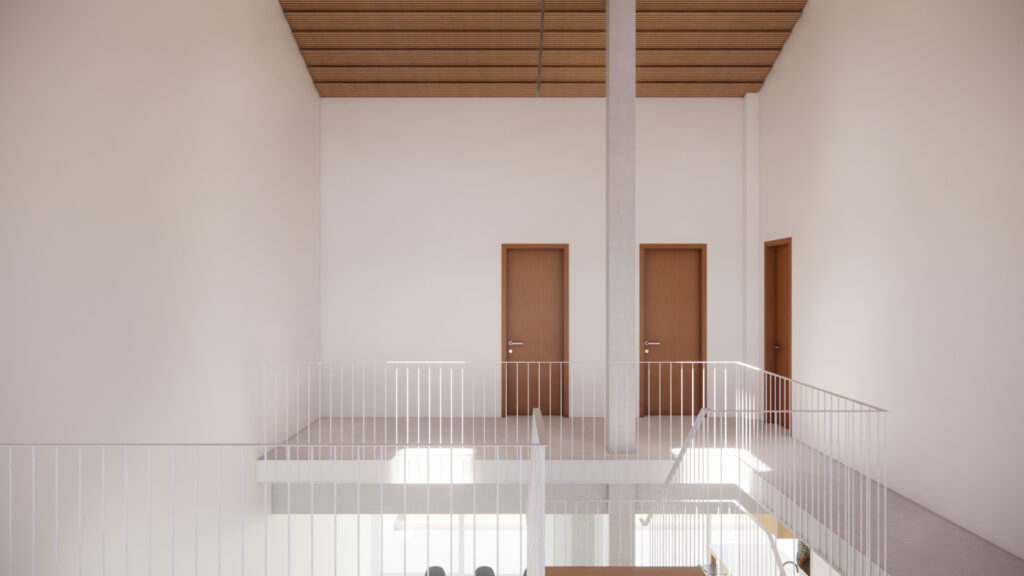
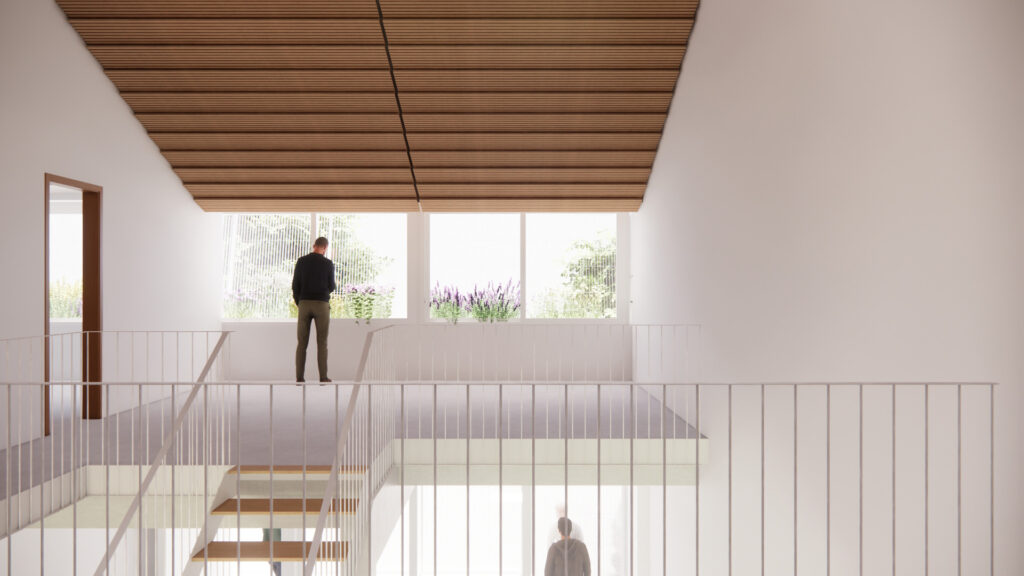
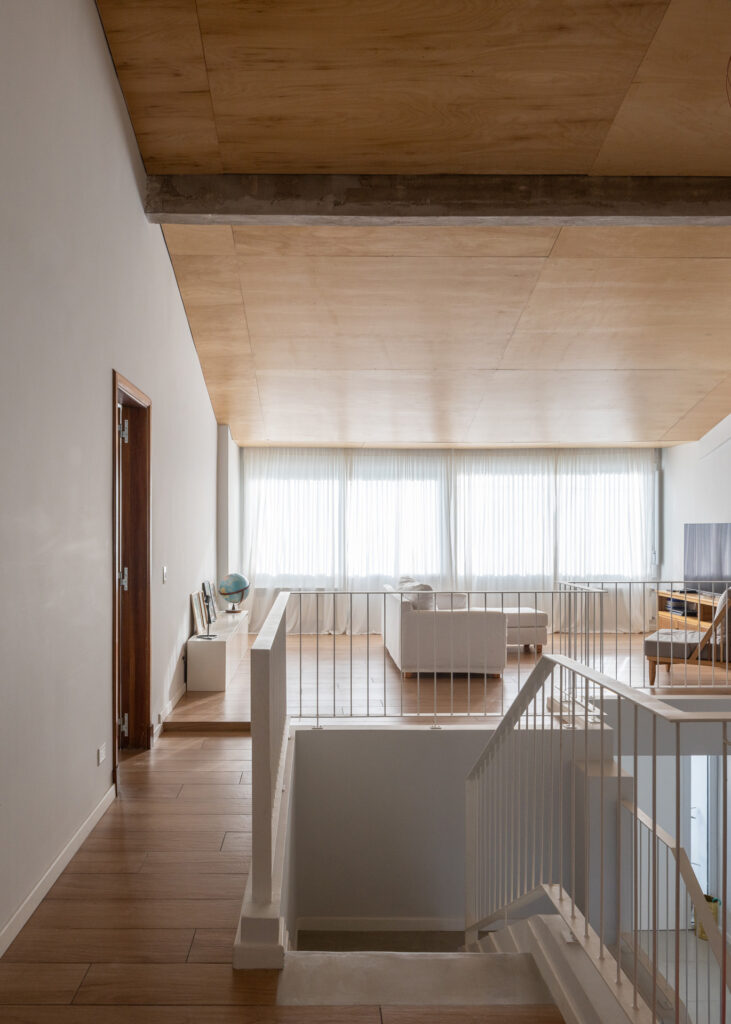
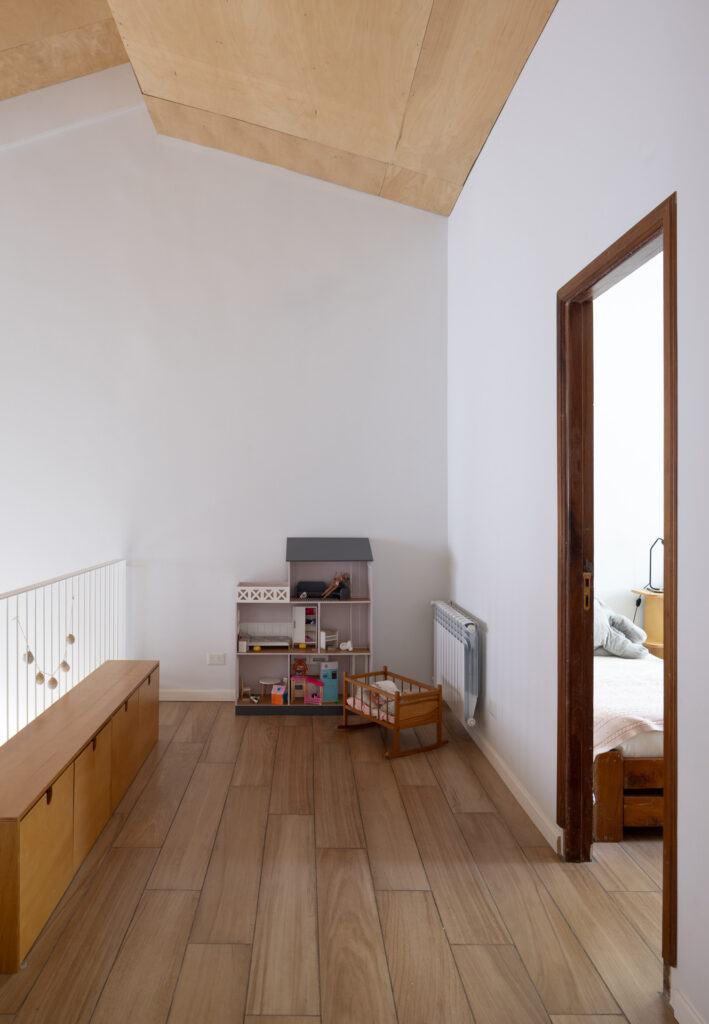
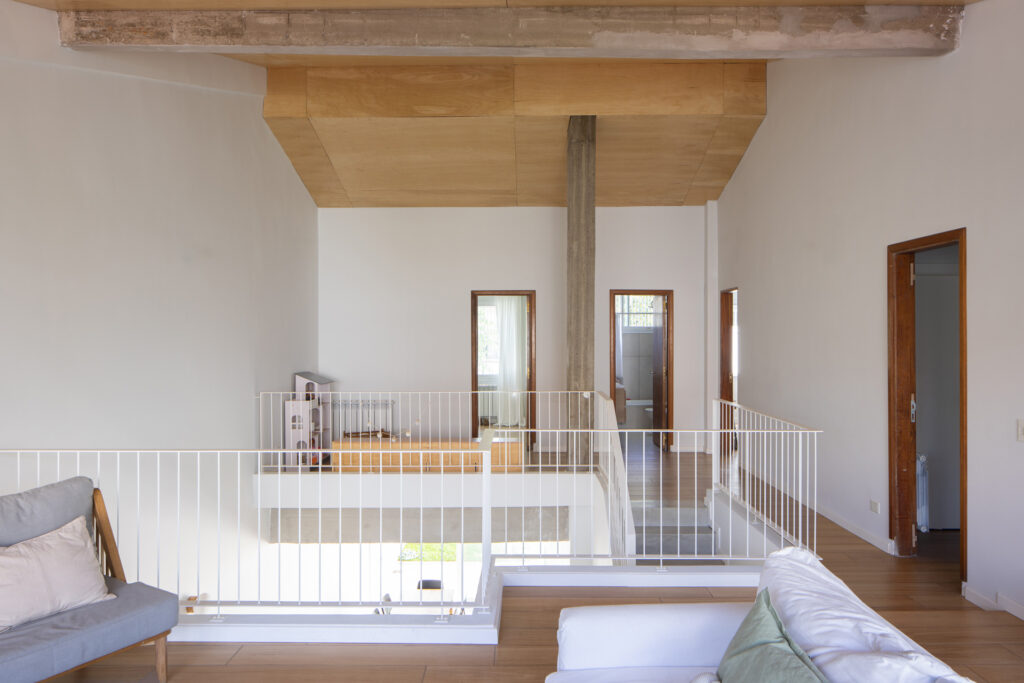
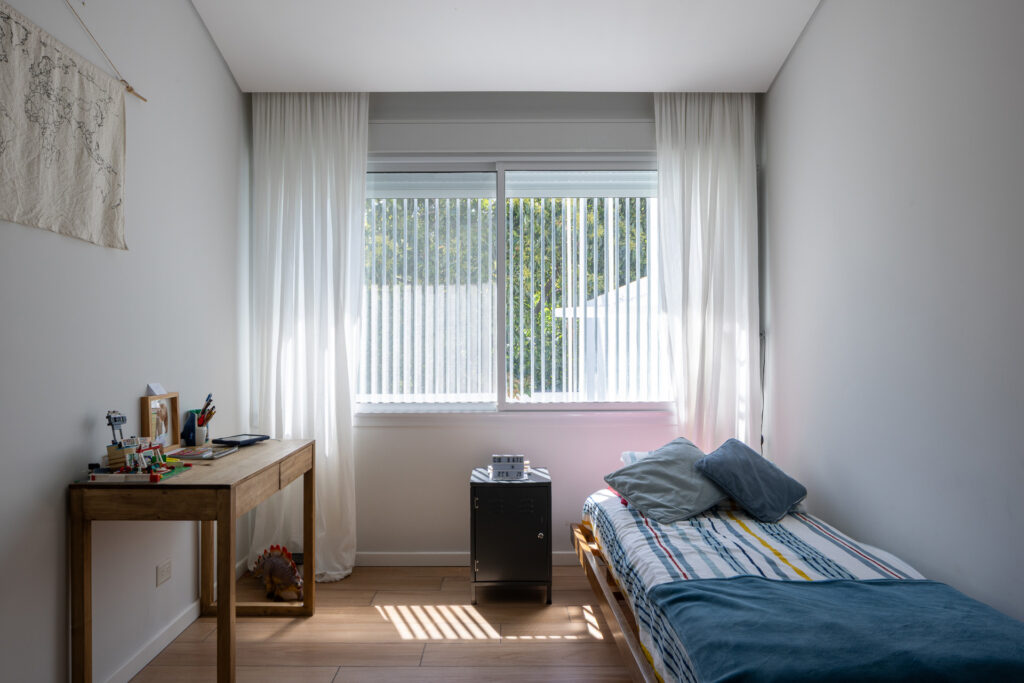
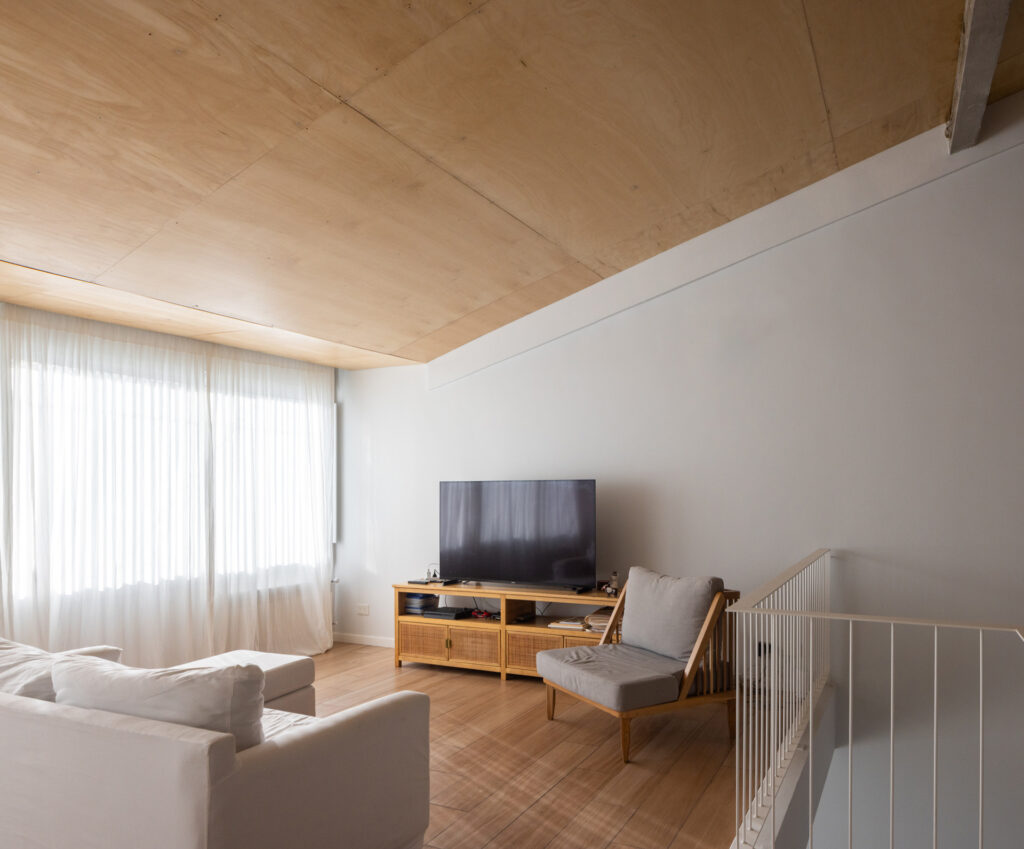
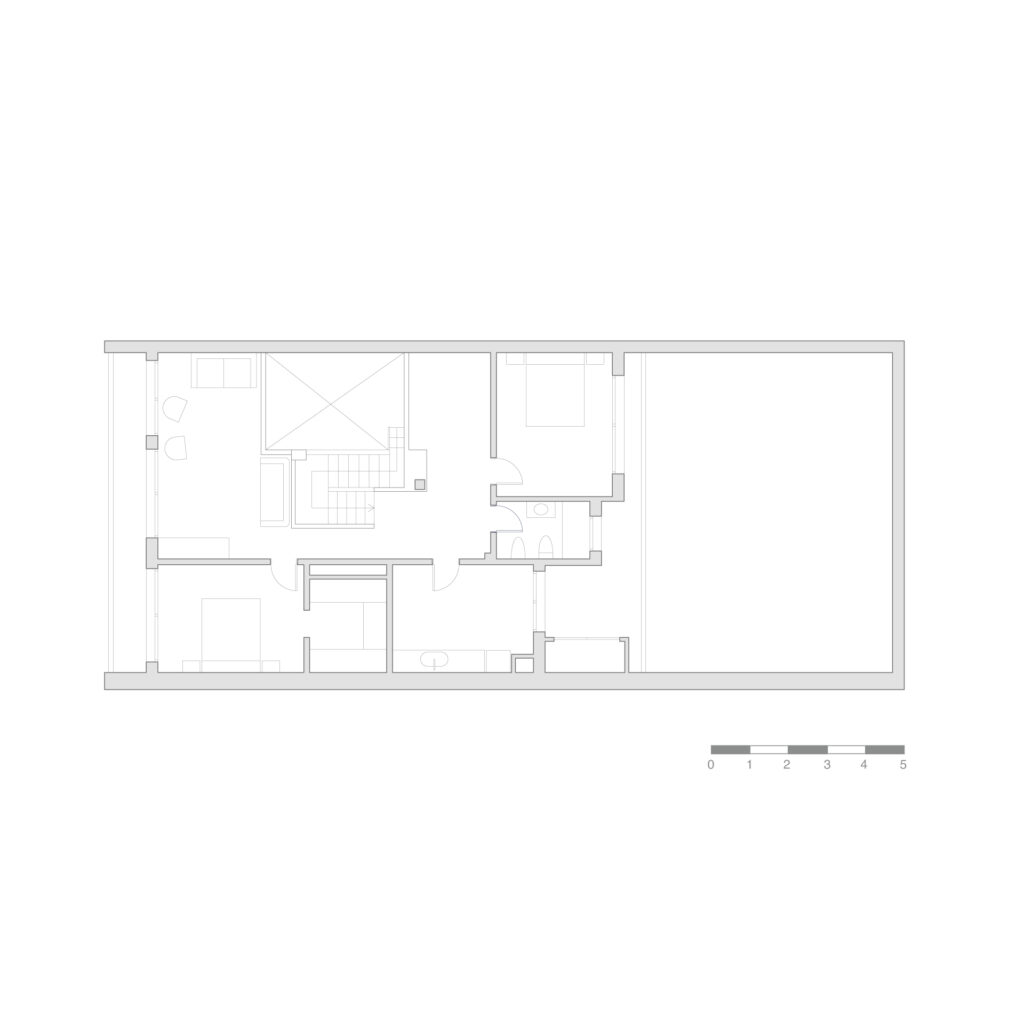
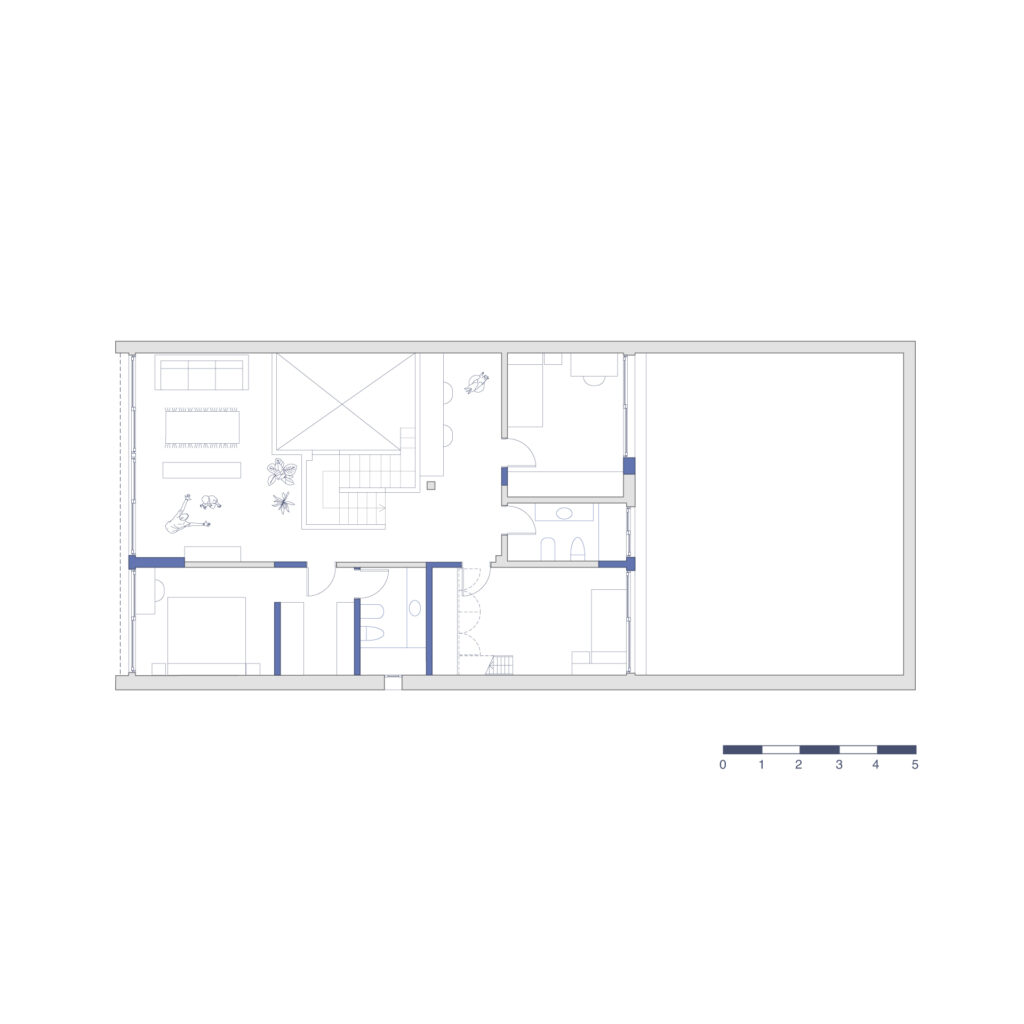
On the upper level, small operations —adjusting balconies, refining setbacks, and reconfiguring internal partitions— made it possible to add a new bedroom and bathroom while preserving and enlarging a family room overlooking the central void. This double-height connection enhances the visual and spatial continuity between both levels.



Construction and materiality
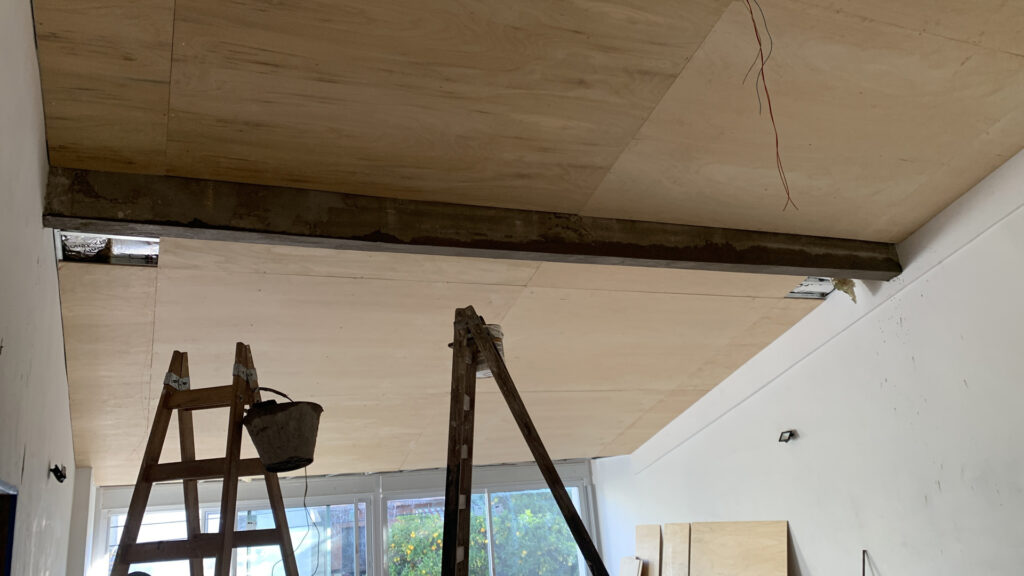
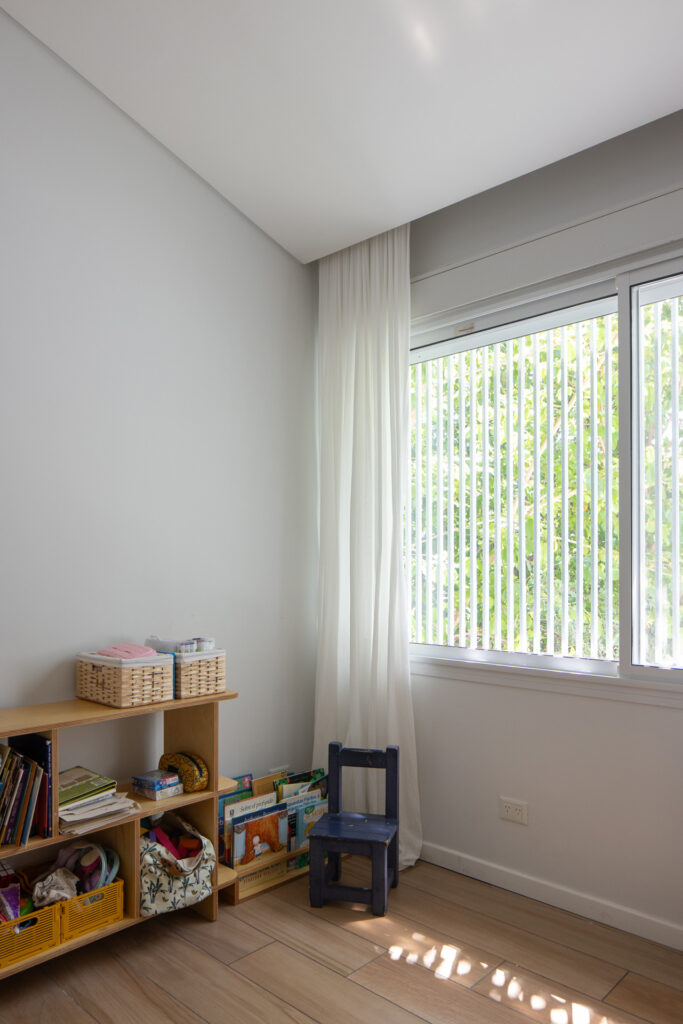
The transformation involved a complete renewal of services and window systems, replacing all openings with aluminium frames fitted with double glazing, and substituting the former air-based heating system with radiators. These technical decisions allowed the removal of the existing suspended ceilings, restoring the original height of the rooms. This gain in height also enabled a new material expression: exposed concrete slabs and beams appear in selected areas, in contrast with
smooth white walls, light-coloured floors and occasional timber finishes. The resulting palette of pale tones and textured surfaces reinforces a sense of brightness and spaciousness, allowing the original structure to become a defining element of the project’s architectural identity.