Esta vivienda unifamiliar, pensada para una pareja con hijos ya fuera del nido, la casa surgía del deseo de acompañar una nueva etapa de vida. Una vivienda pensada para la cotidianeidad de dos personas, y flexible de poder hospedar ocasionalmente a hijos y nietos o albergar reuniones familiares grandes, fueron los ejes centrales del encargo.
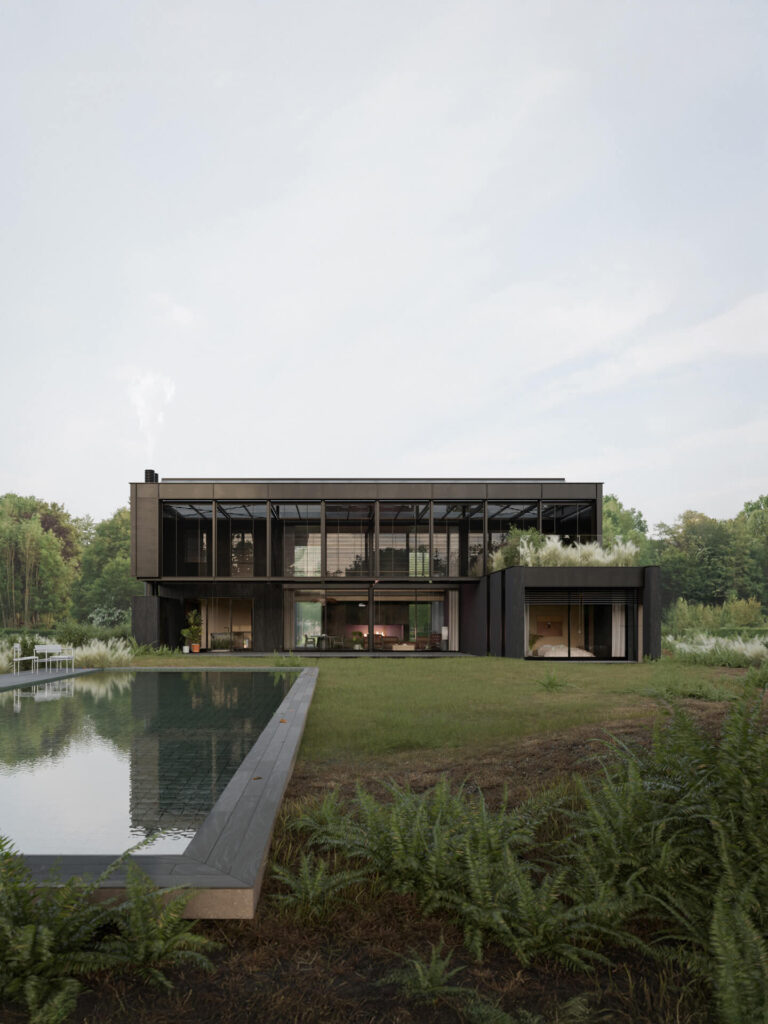
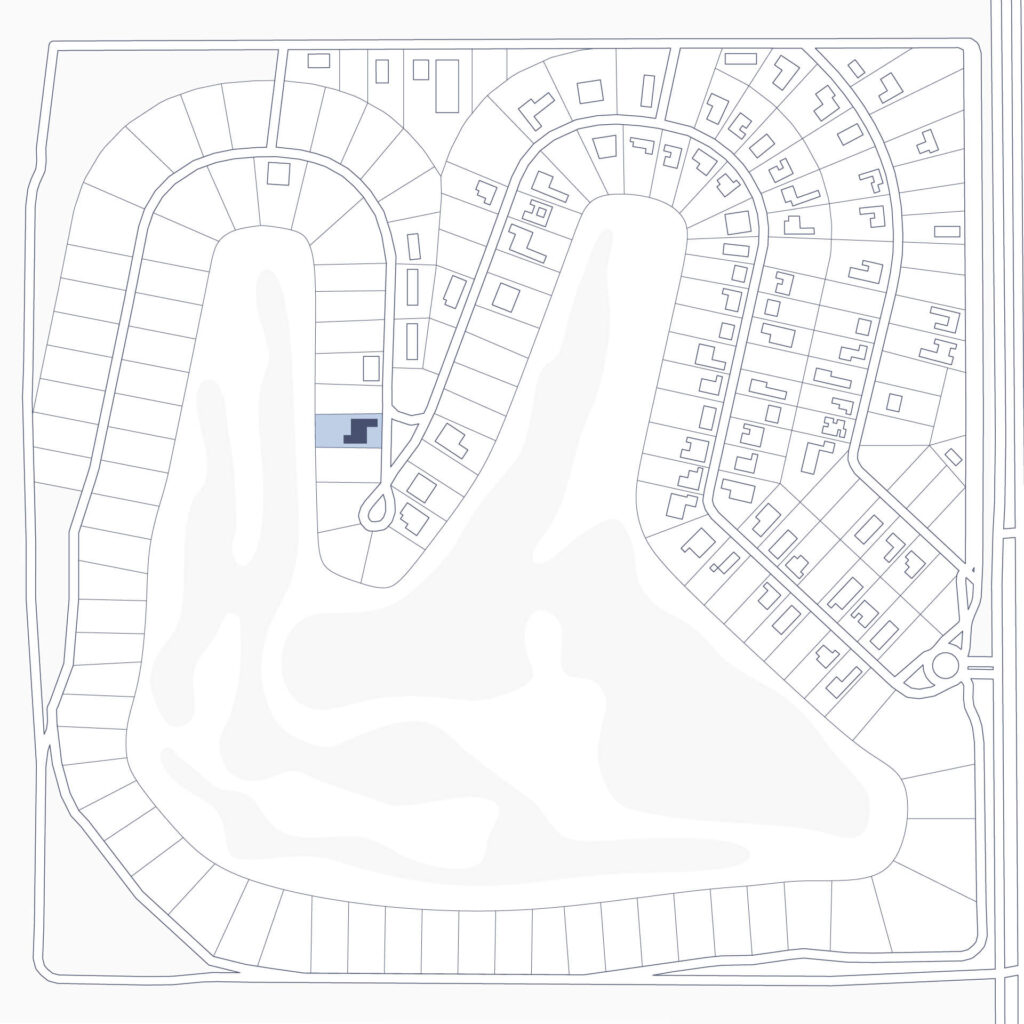
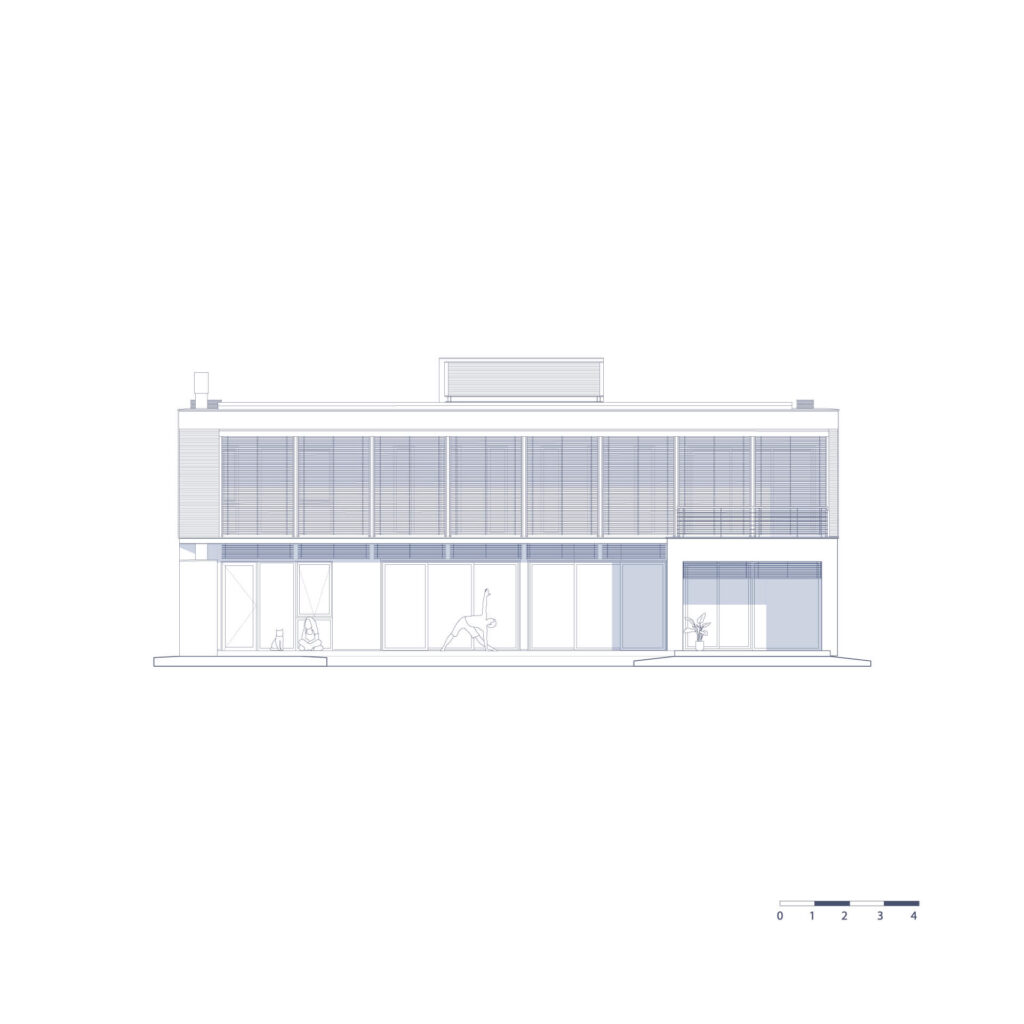
Situated on the outskirts of General Pico, in La Pampa, the house was shaped by an expansive landscape overlooking a golf course. From the outset, the project sought to orient the main spaces towards the west—towards the dramatic colours of the Pampean sunset. At the same time, this orientation demanded careful protection from the intense summer sun. The proposal aimed to frame the light while negotiating openness, shade and shelter.
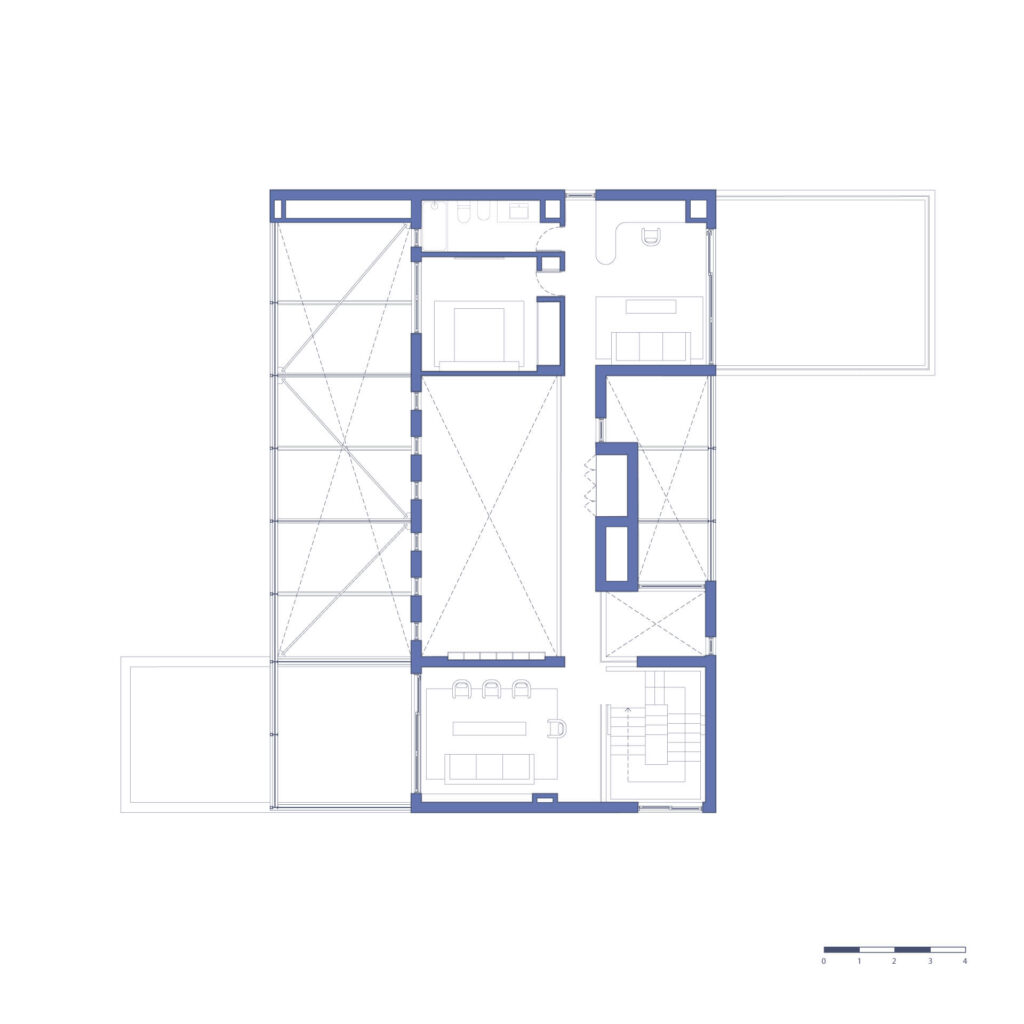
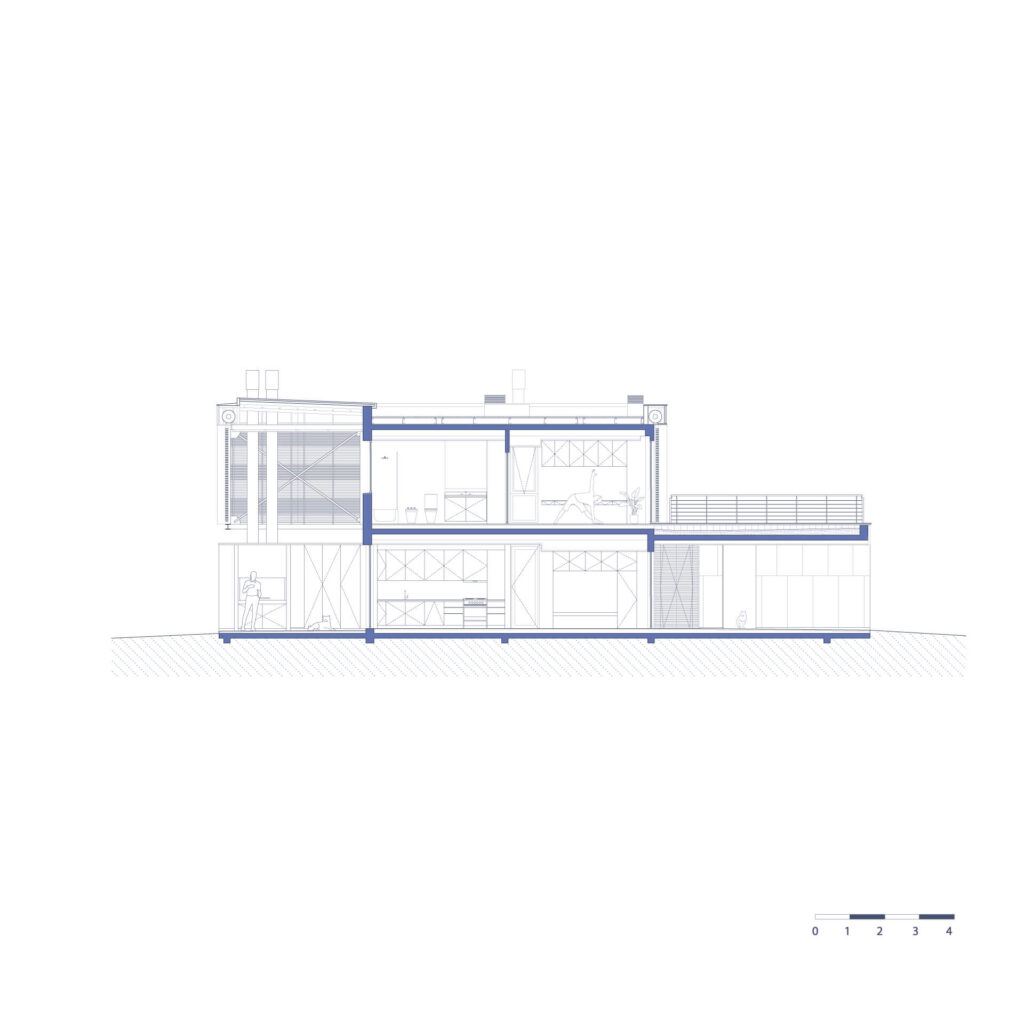
The ground floor brings together the core domestic programme:
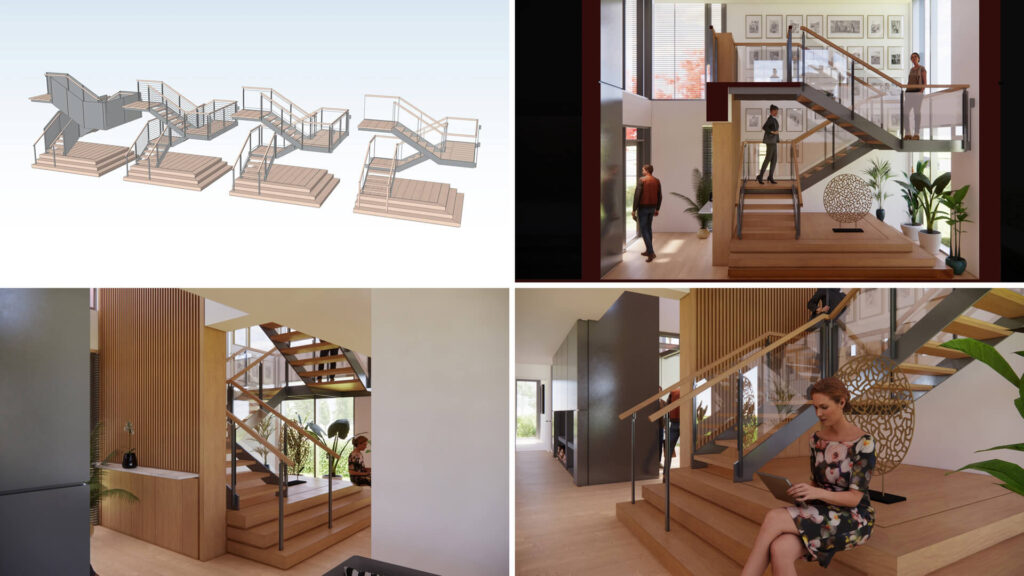
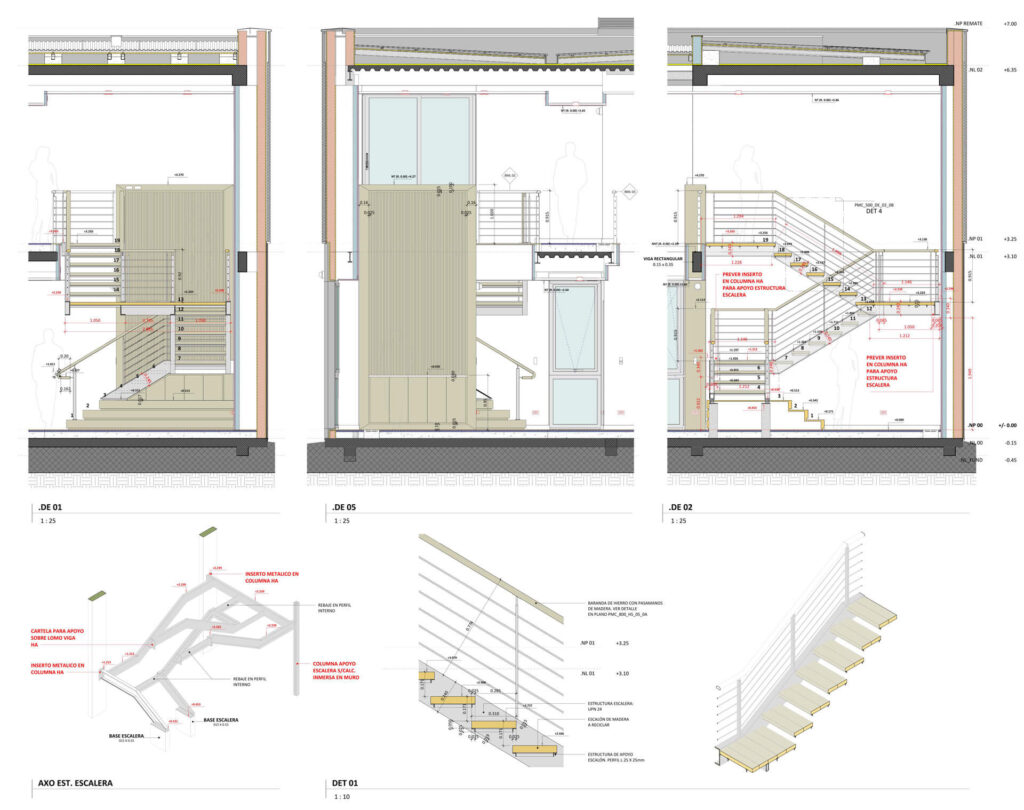
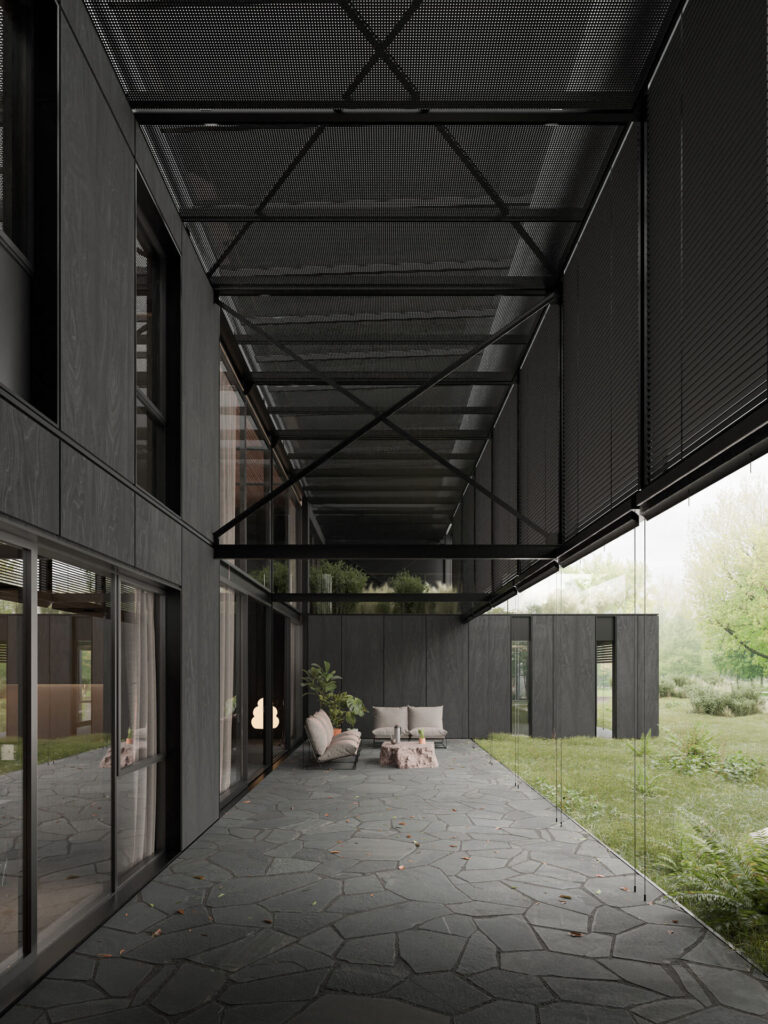
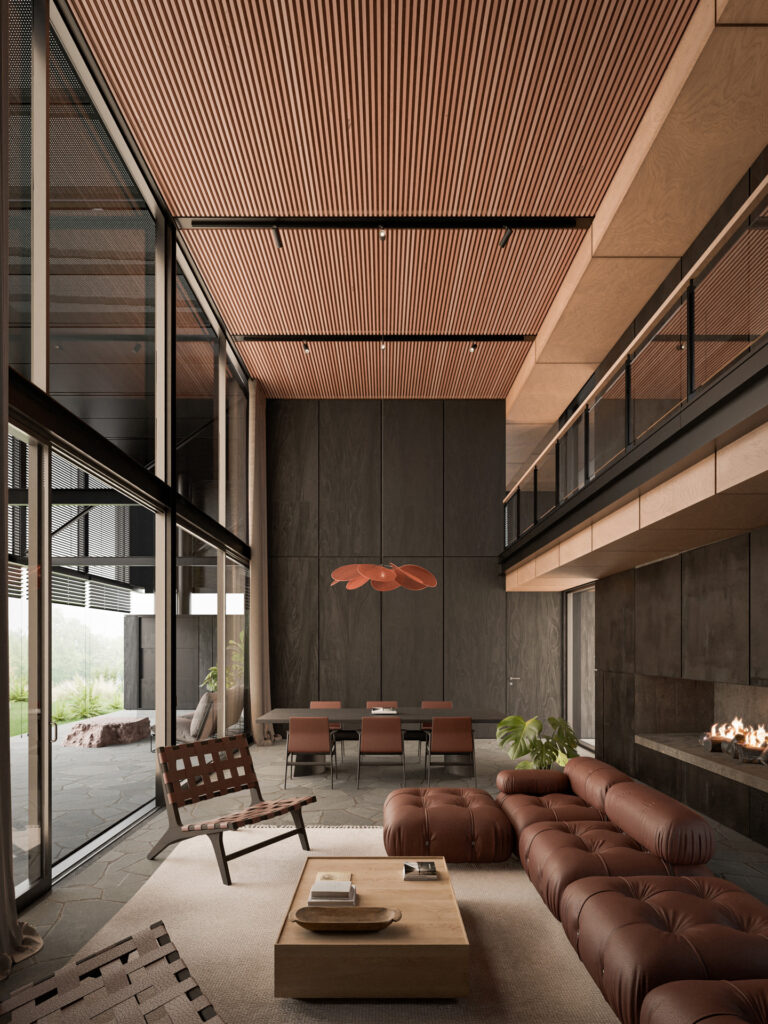
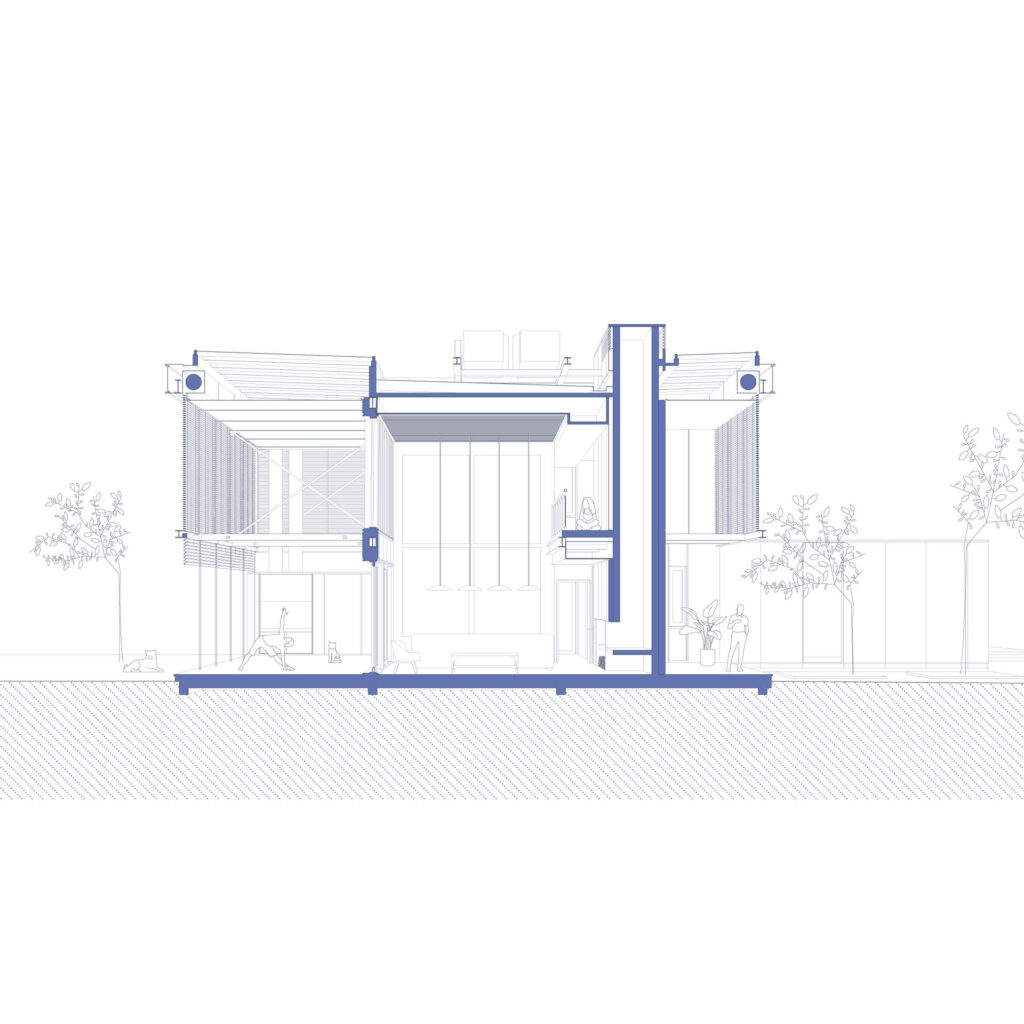
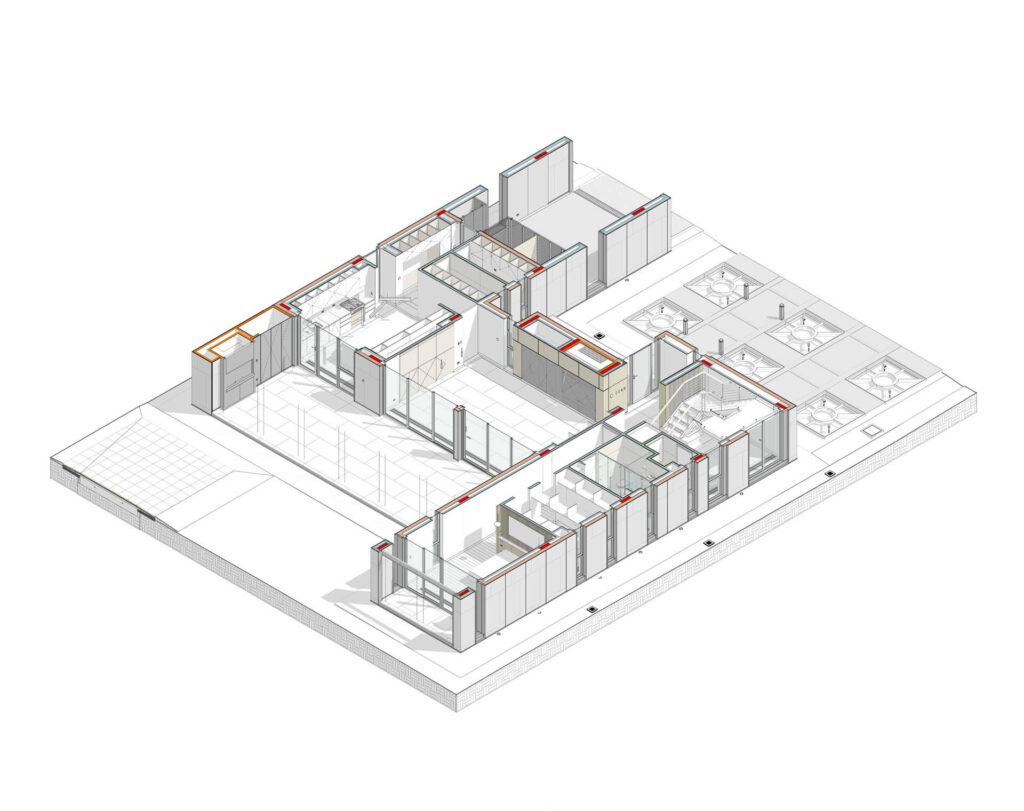
the main bedroom, kitchen, living and dining areas open onto a gallery that extends the house towards the garden. These three spaces form a generous double-height volume that draws in daylight and views, connecting the interior to its immediate surroundings. The upper floor, more private in nature, accommodates a smaller sitting area, a painting studio and a guest bedroom.
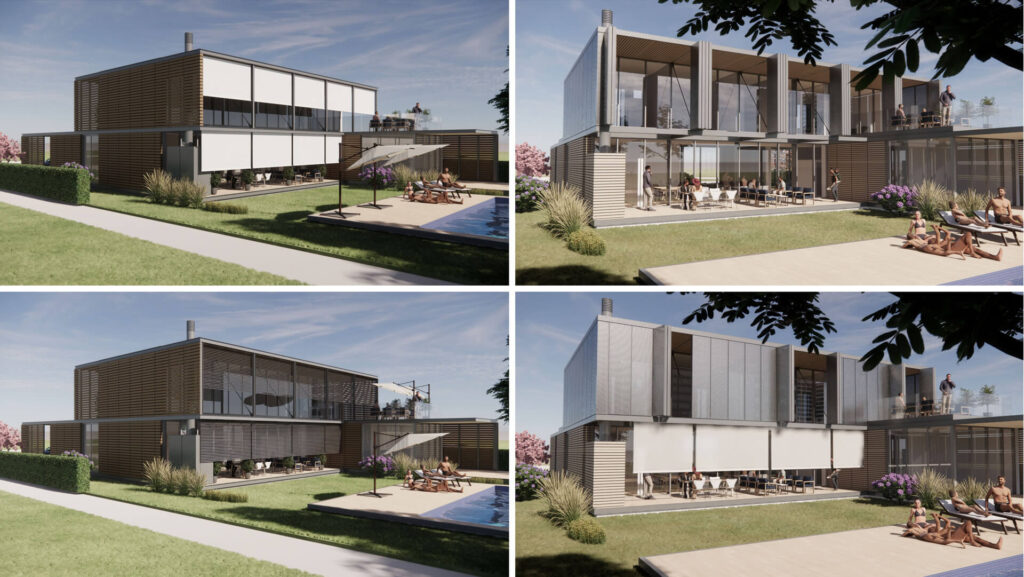
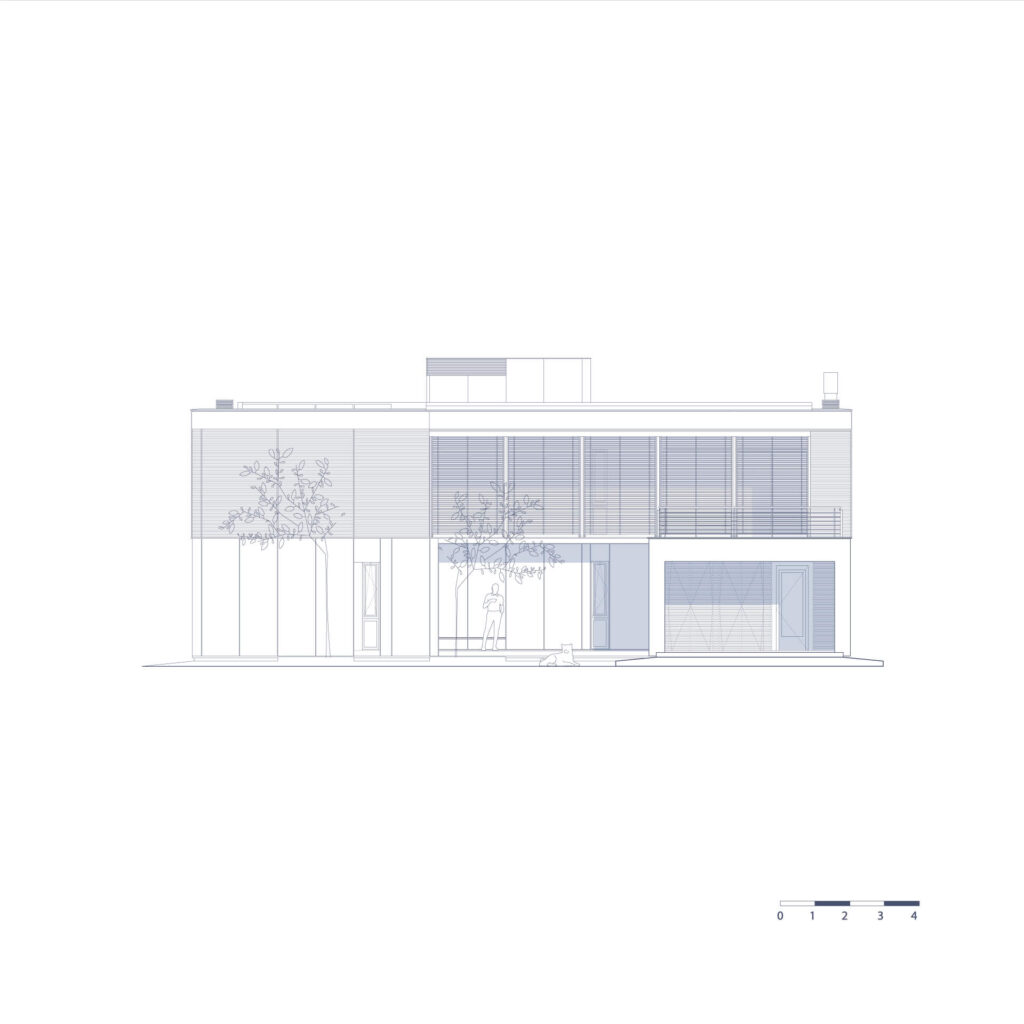
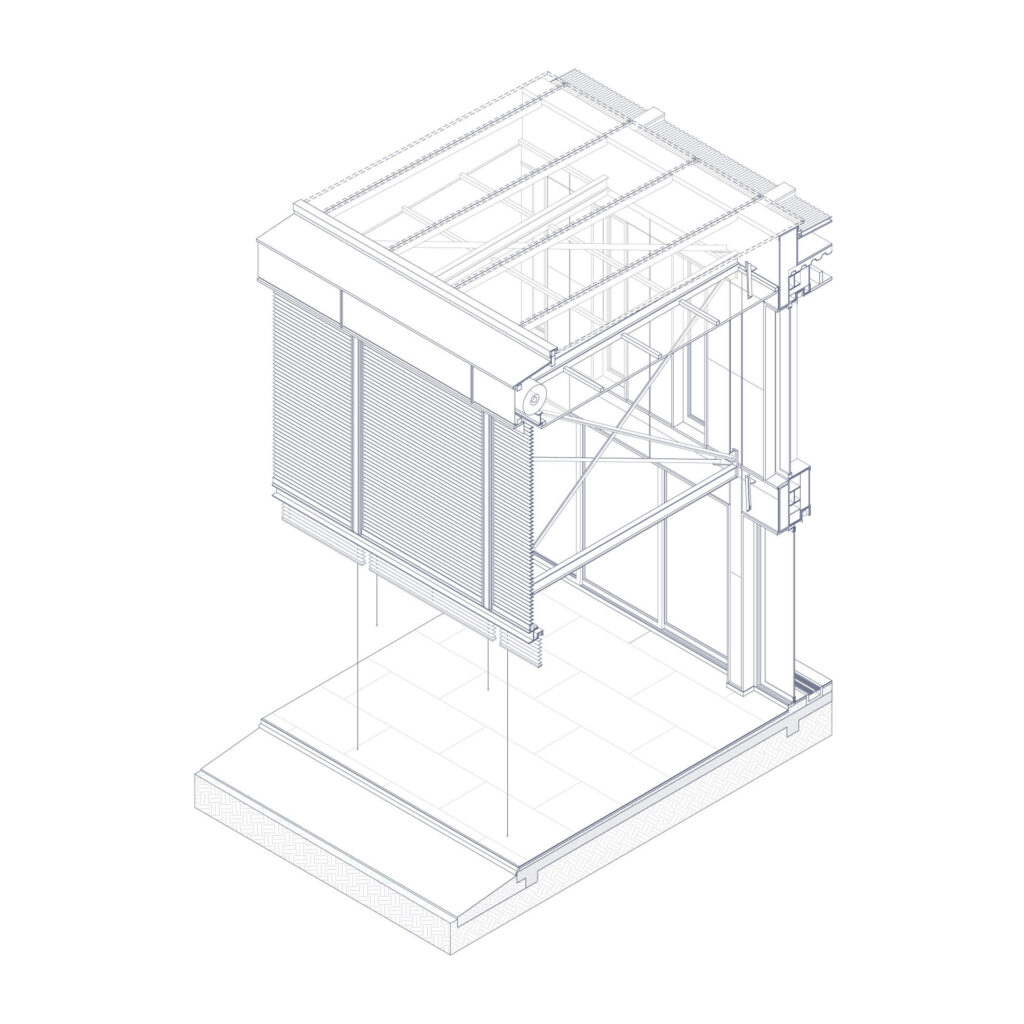
One of the key discoveries during the design process was the development of a series of transitional spaces between interior and exterior—semi-covered areas defined by layers of material filters. Perforated metal, adjustable shutters or retractable screens modulate light and privacy, providing shade, ventilation and spatial depth. These intermediate spaces, shifting with the time of day and season, gave the project much of its character and identity.



The Veil
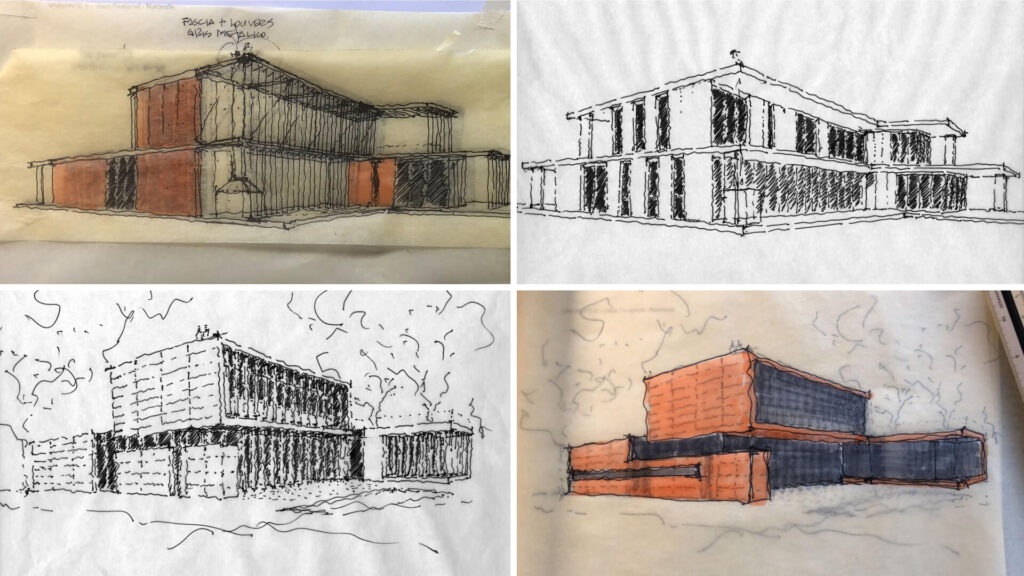
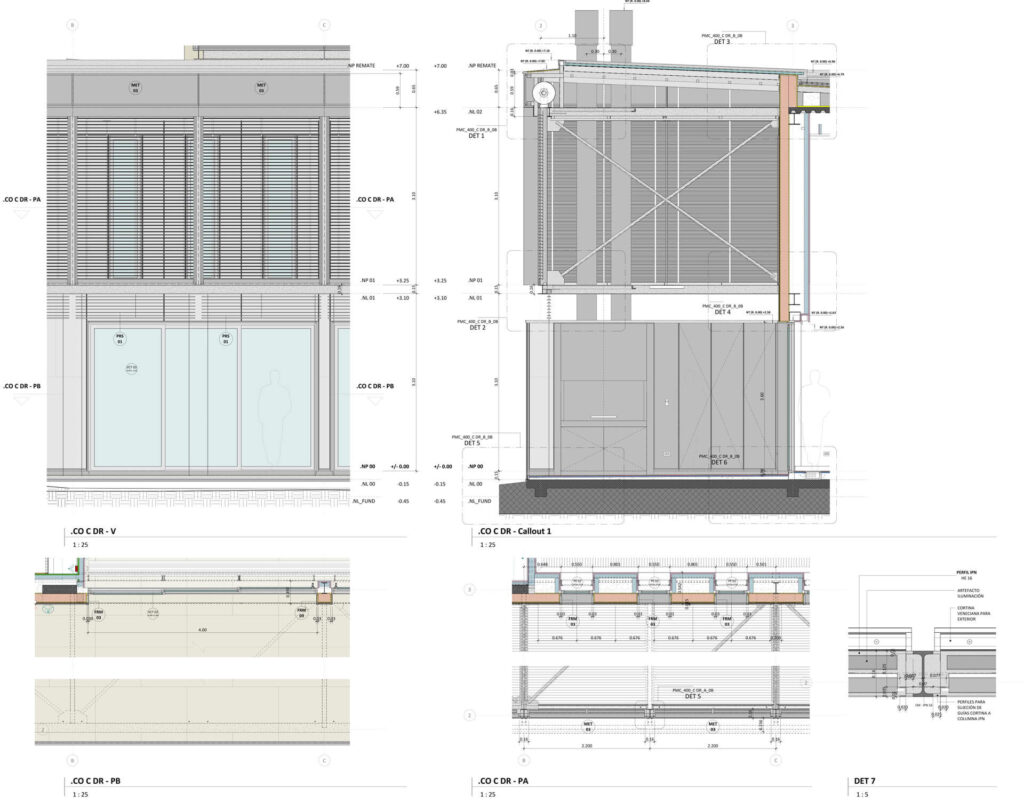
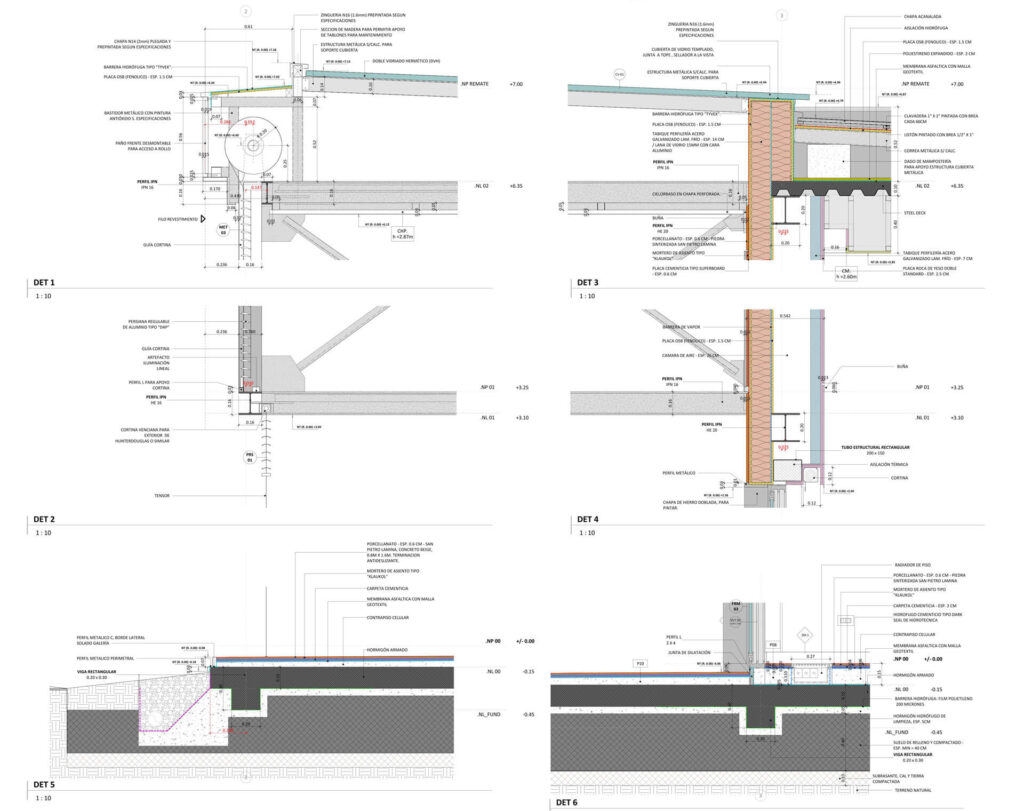
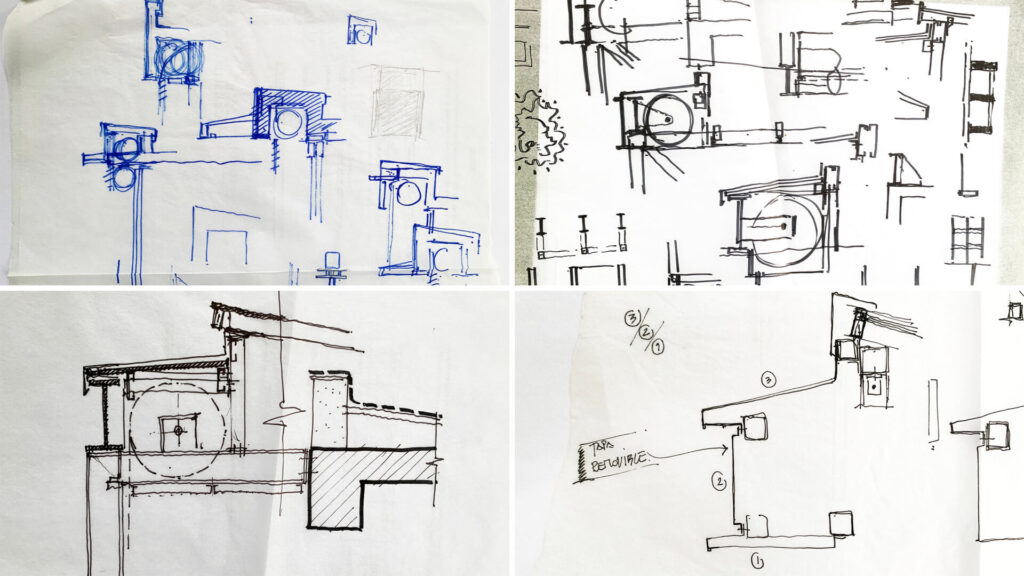
A significant part of the design exploration focused on how to materialise the building’s outer skin—a kind of “veil” that, at certain moments, separates itself from the main volume. This intermediate layer helped define the sequence of transitional spaces and was studied both for its architectural expression and for its technical and budgetary implications. Various options were tested: fixed, mobile and retractable systems; bespoke solutions versus industrialised ones. Each was
assessed for its performance against sunlight, ventilation and maintenance, as well as the availability of technologies in the local market. Ultimately, the project adopted a system of cortinas barrio—roller shutters commonly used in the region—which offered a practical, versatile and readily available solution. They allowed for nuanced control of light and complete closure when needed, without requiring complex custom development.